
 Sightseeing
Exploring Phaistos: A Glimpse into Crete’s Minoan Heritage
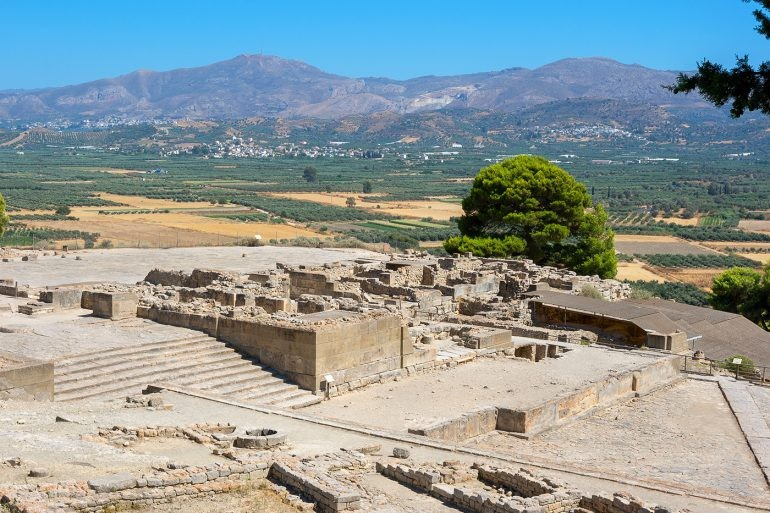
Phaistos, an ancient Minoan city located near the vibrant village of Matala on Crete’s southern coast, is a treasure trove of archaeological wonders and historical significance. Known for its impressive ruins and the famous Phaistos Disc, this site offers a captivating glimpse into one of the most advanced civilizations of the ancient world. Whether you are a history buff or simply curious about Crete’s past, Phaistos provides a fascinating journey through time.
Historical Significance
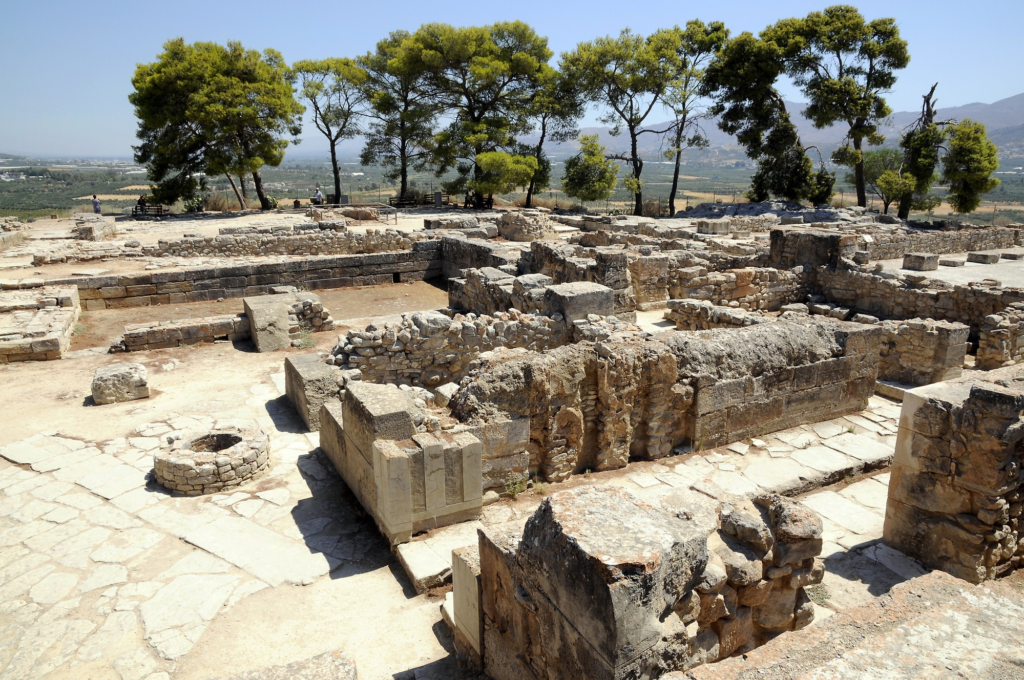
Phaistos was one of the most important centers of the Minoan civilization, which flourished on Crete from approximately 2700 to 1450 BCE. The city was strategically located on a hill overlooking the fertile Mesara Plain, providing it with a commanding view of the surrounding landscape. This advantageous position allowed Phaistos to become a powerful and influential center in the Minoan period.
The palace of Phaistos, the second largest on Crete after Knossos, is the most significant structure on the site. Built around 1900 BCE and later rebuilt after an earthquake, the palace complex is an architectural marvel. It includes grand courtyards, residential quarters, storage rooms, and religious sanctuaries, all arranged around a central court. The design and construction techniques used in the palace reflect the advanced engineering skills and sophisticated culture of the Minoans.
The Phaistos Disc
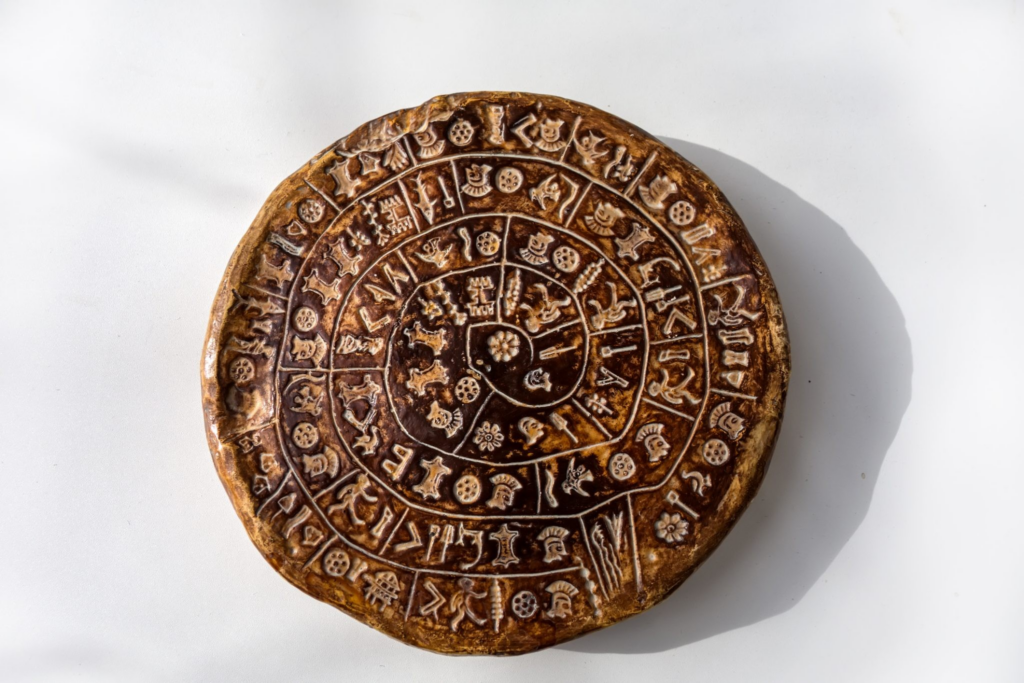
One of the most intriguing discoveries at Phaistos is the Phaistos Disc, a clay disc inscribed with mysterious symbols. Found in 1908, the disc dates back to the late Minoan period (around 1700 BCE) and remains one of archaeology’s greatest enigmas. The 45 unique symbols, arranged in a spiral pattern on both sides of the disc, have yet to be deciphered, sparking much speculation and debate among scholars. The Phaistos Disc is a testament to the complexity and creativity of the Minoan script and continues to captivate researchers and visitors alike.
Visiting the Archaeological Site
The archaeological site of Phaistos is a must-visit for anyone interested in ancient history. As you wander through the ruins, you can explore the various parts of the palace complex, including the grand staircase, the royal apartments, and the storerooms that once held vast quantities of grain, oil, and wine. Informative signs provide context and details about the significance of each area, helping visitors to imagine what life might have been like in this ancient city.
The site also offers stunning views of the surrounding countryside, including the Mesara Plain and the Asterousia Mountains. This scenic backdrop enhances the experience, allowing visitors to appreciate the natural beauty that the Minoans themselves would have enjoyed.
Practical Information
The site is accessible by car, with ample parking available. There is a small entrance fee, which helps to maintain and preserve this important historical landmark. It is advisable to wear comfortable shoes and bring water, especially during the hot summer months, as the site requires some walking and exploration.
Conclusion
Phaistos is a captivating destination that offers a deep dive into Crete’s rich Minoan heritage. Its well-preserved ruins, the enigmatic Phaistos Disc, and the stunning natural surroundings make it a fascinating and enriching experience for visitors. Whether you are exploring the grand palace complex, pondering the mysteries of the disc, or simply enjoying the panoramic views, Phaistos promises a journey through history that you won’t soon forget. For those staying in or visiting Matala, a trip to Phaistos is an essential part of discovering the island’s ancient past and appreciating the remarkable achievements of the Minoan civilization.