
 Sightseeing
Exploring Gortyna: A Journey Through Ancient Crete
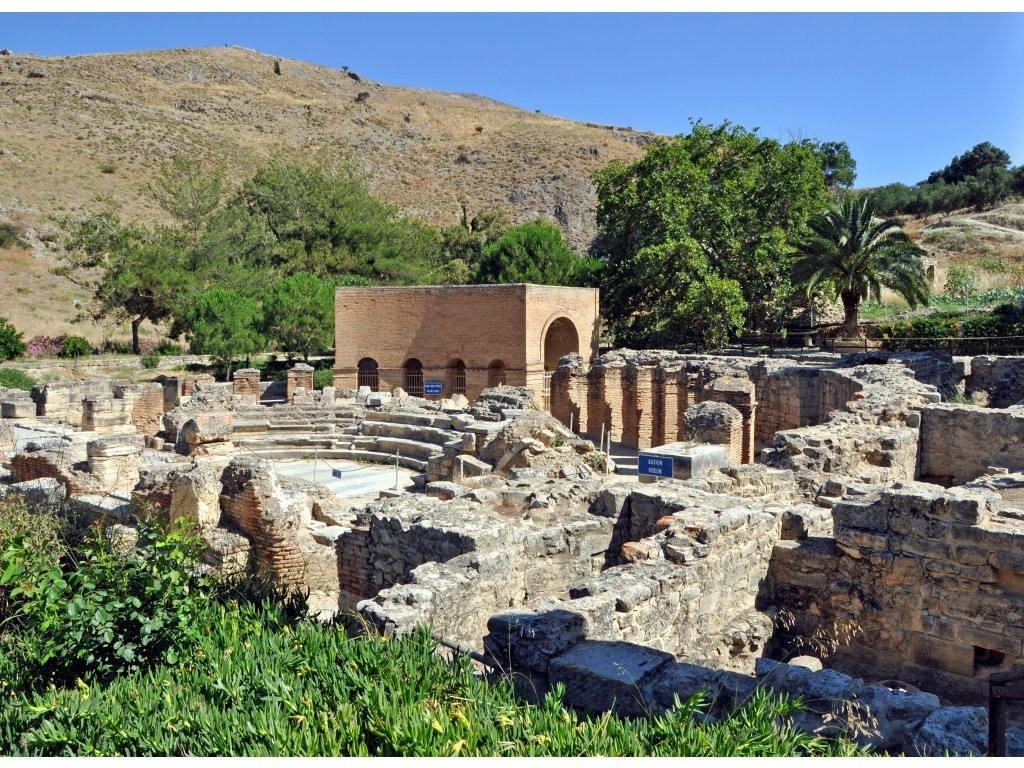
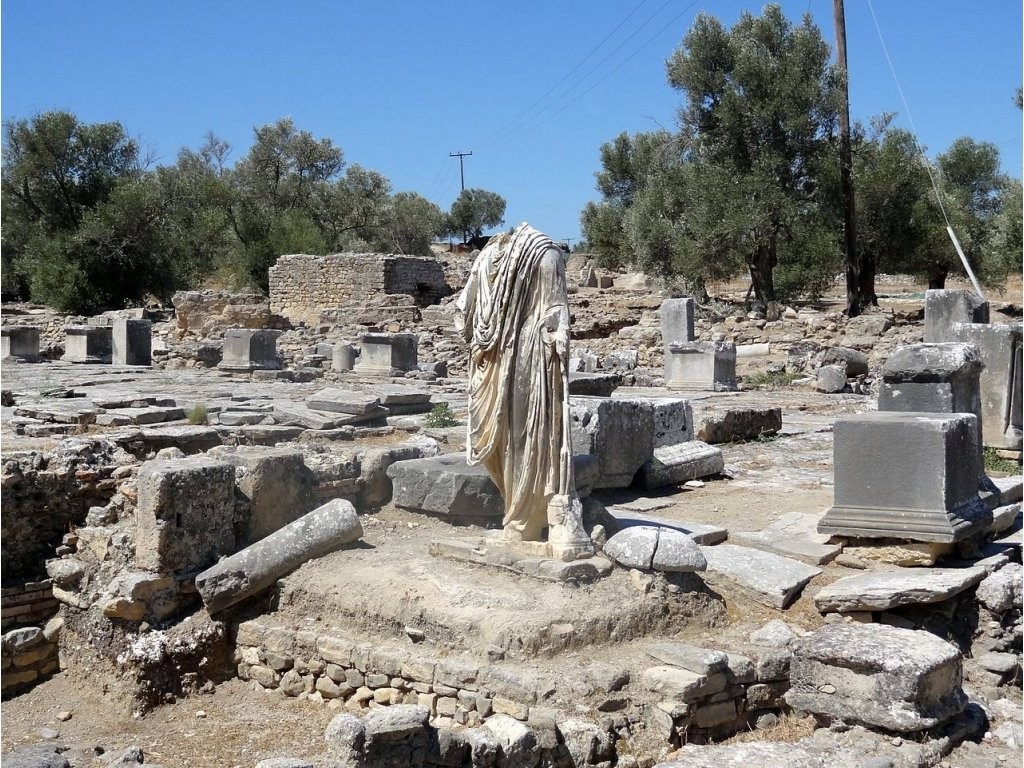
Gortyna, also known as Gortyn, is one of Crete’s most significant archaeological sites, located approximately 25 kilometers from the village of Matala. This ancient city-state offers a fascinating glimpse into the island’s rich historical tapestry, showcasing remnants from the Minoan, Greek, and Roman periods. Gortyna’s impressive ruins, including the famed Law Code of Gortyn and the remnants of ancient temples and theaters, make it a must-visit destination for history enthusiasts and curious travelers alike.
Historical Significance
Gortyna boasts a long and varied history, dating back to the Minoan period around 3000 BCE. It rose to prominence during the Classical and Hellenistic periods and became one of the most powerful city-states in Crete. By the Roman era, Gortyna had become the capital of the Roman province of Creta et Cyrenaica, highlighting its significant influence and strategic importance.
The city is particularly renowned for its role in the early Christian period, with several significant churches and basilicas erected during this time. Gortyna’s extensive history is reflected in its diverse archaeological remains, which provide insights into the various civilizations that once flourished here.
The Law Code of Gortyn
One of the most remarkable discoveries at Gortyna is the Law Code of Gortyn, an extensive set of legal inscriptions carved into a stone wall. Dating back to the 5th century BCE, the Law Code is the oldest and most comprehensive example of ancient Greek law, providing valuable insights into the social and legal practices of the time.
The Code covers a wide range of topics, including family law, property rights, and civil disputes, offering a detailed look at how justice was administered in ancient Crete. The inscriptions are still clearly visible today and are considered one of the most important archaeological finds in Greece.
Key Archaeological Sites
Visitors to Gortyna can explore a variety of impressive ruins that paint a vivid picture of its past glory. Key sites include:
- The Odeon: This well-preserved Roman theater, dating from the 1st century CE, was used for musical performances and public gatherings. It is located near the Law Code of Gortyn and provides a glimpse into the cultural life of the ancient city.
- The Praetorium: The remains of the Roman governor’s residence, showcasing the administrative importance of Gortyna during the Roman period. The site includes remnants of grand halls, courtyards, and other administrative buildings.
- The Temple of Pythian Apollo: This temple, dedicated to the god Apollo, highlights the religious significance of Gortyna. Although in ruins, it offers a fascinating insight into the architectural and spiritual aspects of the ancient city.
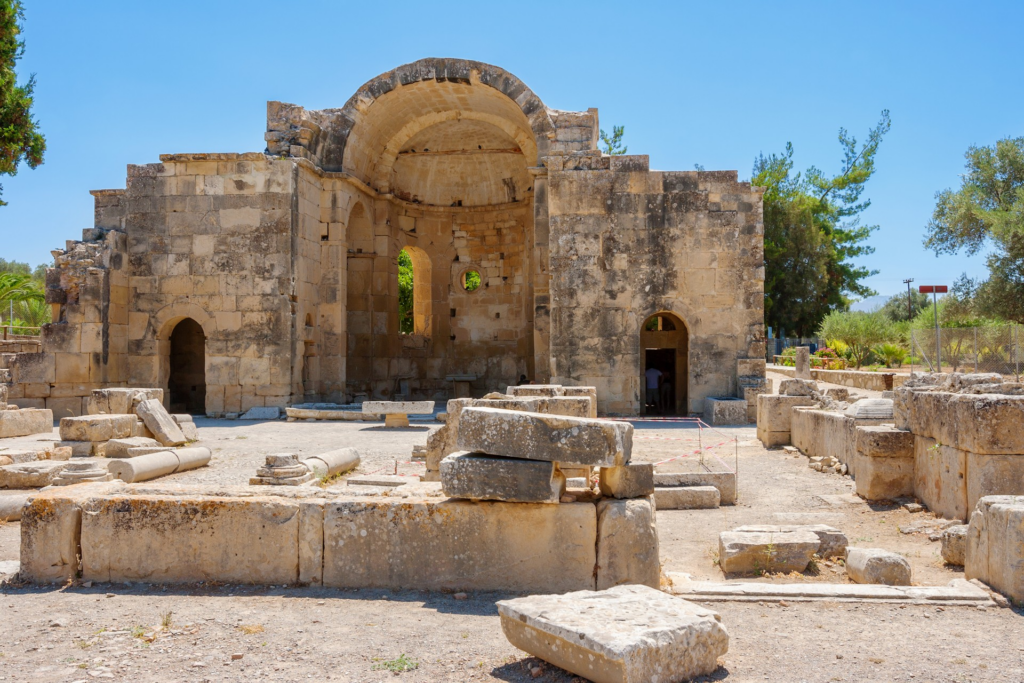
- The Church of St. Titus: Gortyna is also significant in early Christian history, and the Church of St. Titus, dedicated to the first bishop of Crete, reflects this heritage. The remains of the basilica date back to the 6th century CE and are a testament to the spread of Christianity on the island.
- The Plane Tree of Zeus and Europa: According to myth, Zeus, in the form of a bull, brought Europa to Crete and rested under a plane tree in Gortyna. This legendary tree is still revered today, adding a mythical dimension to the site.
Visiting Gortyna
Gortyna is easily accessible from Matala and other parts of southern Crete. The site is open to the public, with a small entrance fee that helps to preserve and maintain the archaeological remains. Informational signs provide context and details about the various ruins, though hiring a guide can offer a more comprehensive understanding of the site’s historical significance.
Visitors should wear comfortable walking shoes and bring water, as the site covers a large area and requires some walking. The best time to visit is during the cooler parts of the day, especially in the summer months when temperatures can be high.
Conclusion
Gortyna is a fascinating destination that offers a deep dive into Crete’s rich historical and cultural heritage. Its extensive ruins, highlighted by the Law Code of Gortyn and significant Roman and Christian sites, provide a unique window into the island’s past. Whether you are wandering through the remains of the Roman Odeon, pondering the ancient laws inscribed in stone, or contemplating the myths of Zeus and Europa, Gortyna promises a captivating and enriching experience. For those exploring southern Crete, a visit to Gortyna is essential, offering a profound connection to the island’s ancient civilizations and enduring legacy.