
 Sightseeing
Discovering the Archaeological Museum of Mesara: A Treasure Trove of Crete’s Ancient Heritage
Discovering the Archaeological Museum of Mesara: A Treasure Trove of Crete’s Ancient Heritage
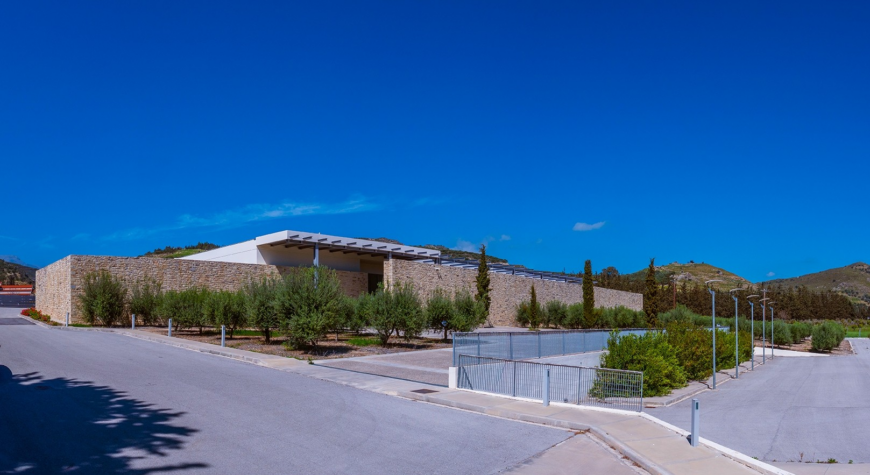
The Archaeological Museum of Mesara, located in the heart of Crete, is a must-visit destination for history enthusiasts and anyone interested in the island’s rich cultural past. Situated near the town of Gortyna, this museum offers a comprehensive look at the archaeological treasures uncovered in the Mesara Plain, an area renowned for its historical significance dating back to the Neolithic period.
A Glimpse into Crete’s Past
The Mesara Plain has been a focal point of human activity for thousands of years, with evidence of settlements from the Neolithic era through the Minoan, Classical, Hellenistic, and Roman periods. The Archaeological Museum of Mesara brings these eras to life through its extensive collection of artifacts, providing visitors with a fascinating journey through time.
Highlights of the Museum
The museum’s exhibits are meticulously curated to showcase the rich and diverse history of the region. Some of the highlights include:
- Neolithic Artifacts: The museum houses a remarkable collection of tools, pottery, and other artifacts from the Neolithic period, offering insights into the daily lives and practices of the earliest inhabitants of the Mesara Plain.
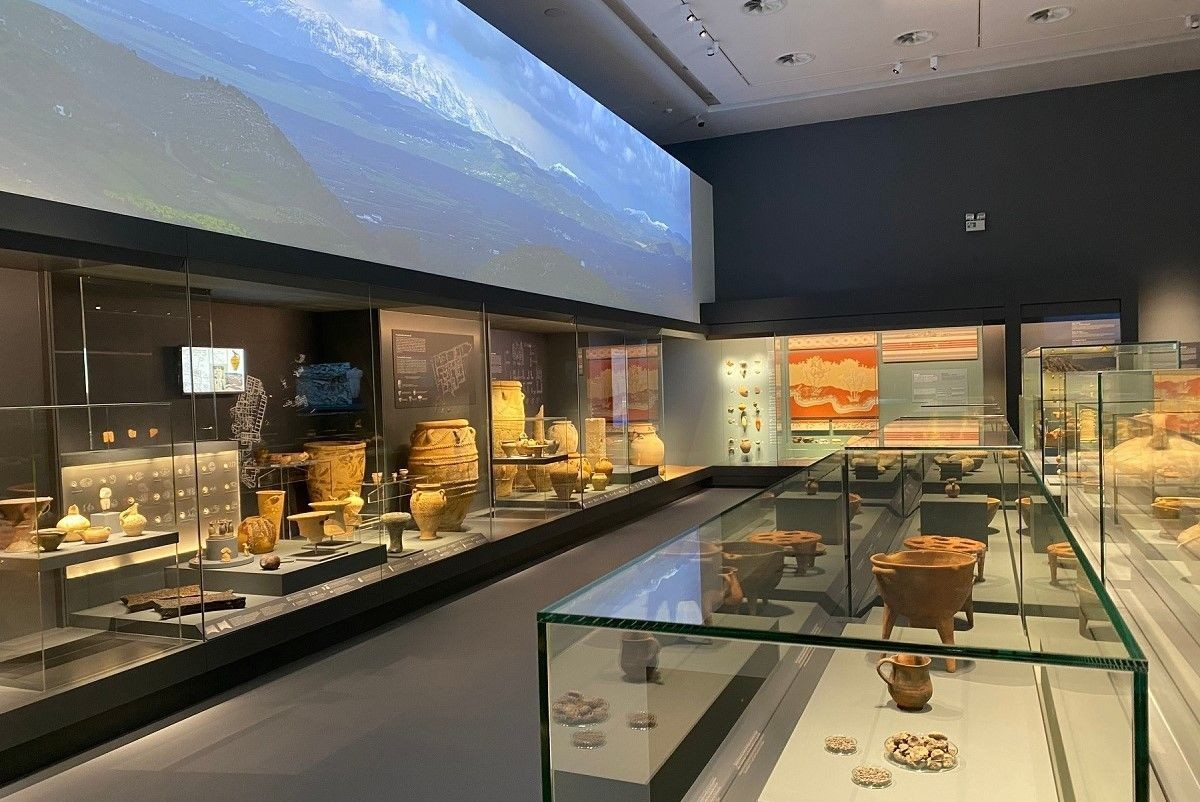
- Minoan Treasures: As the heartland of the Minoan civilization, the Mesara Plain has yielded a wealth of artifacts from this period. The museum’s collection includes intricately decorated pottery, tools, weapons, and stunning examples of Minoan art and craftsmanship.
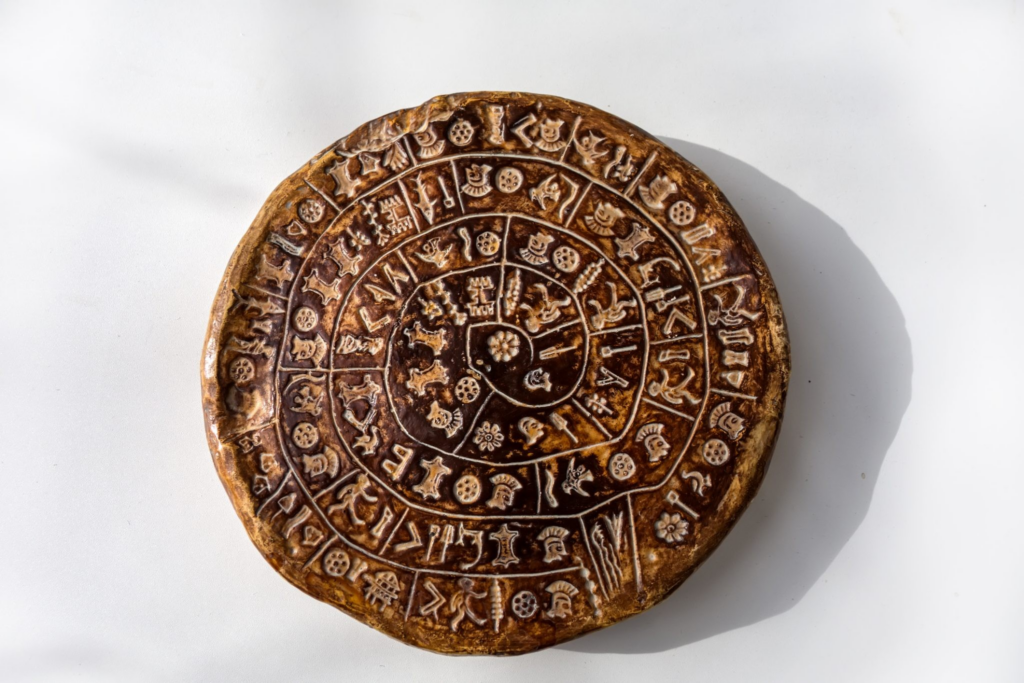
- The Phaistos Disc: One of the most intriguing artifacts on display is a replica of the Phaistos Disc, a famous Minoan artifact discovered at the nearby palace of Phaistos. This clay disc, inscribed with mysterious symbols, remains one of archaeology’s greatest enigmas.
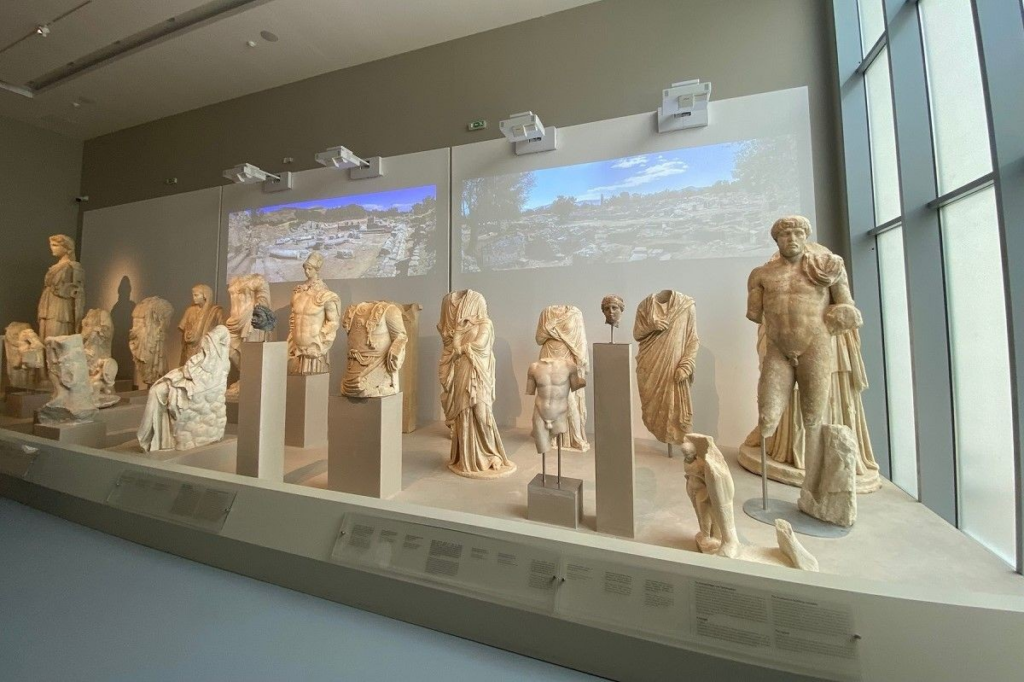
- Roman Antiquities: The museum also features a significant collection of Roman artifacts, reflecting the period when Crete was an important province of the Roman Empire. These include statues, mosaics, and everyday items that illustrate the influence of Roman culture on the island.
Interactive and Educational Exhibits
In addition to its impressive collection of artifacts, the Archaeological Museum of Mesara offers a variety of interactive and educational exhibits. These include detailed reconstructions of ancient buildings, dioramas depicting everyday life in different historical periods, and multimedia presentations that provide context and background information. The museum also hosts workshops and educational programs for visitors of all ages, making it an engaging destination for families and school groups.
The Importance of Mesara in Cretan History
The Mesara Plain has always been a vital region in Crete due to its fertile land and strategic location. The area played a central role in the development of the Minoan civilization, serving as an agricultural and economic hub. The archaeological finds from this region provide invaluable insights into the island’s history and the evolution of its cultures over millennia.
Visiting the Museum
The Archaeological Museum of Mesara is conveniently located near several other significant historical sites, making it an excellent addition to a day of exploring the area. The nearby ruins of Gortyna, with its famous law code inscribed on stone slabs, and the ancient palace of Phaistos are both easily accessible from the museum.
The museum is open year-round, with varying hours depending on the season. Visitors are encouraged to check the official website for the latest information on opening times and any special exhibitions or events.
Conclusion
The Archaeological Museum of Mesara is a treasure trove of Crete’s ancient heritage, offering a captivating journey through the island’s long and varied history. With its extensive collection of artifacts, engaging exhibits, and educational programs, the museum provides a comprehensive and enriching experience for all who visit. For anyone exploring the historical and cultural wonders of Crete, a trip to the Archaeological Museum of Mesara is an absolute must, offering a deeper understanding and appreciation of the island’s storied past.
 Sightseeing
Exploring Gortyna: A Journey Through Ancient Crete
Exploring Gortyna: A Journey Through Ancient Crete
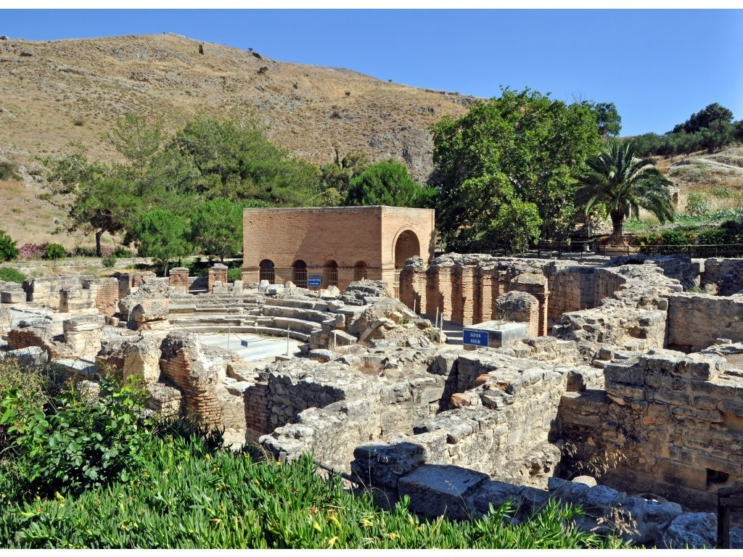
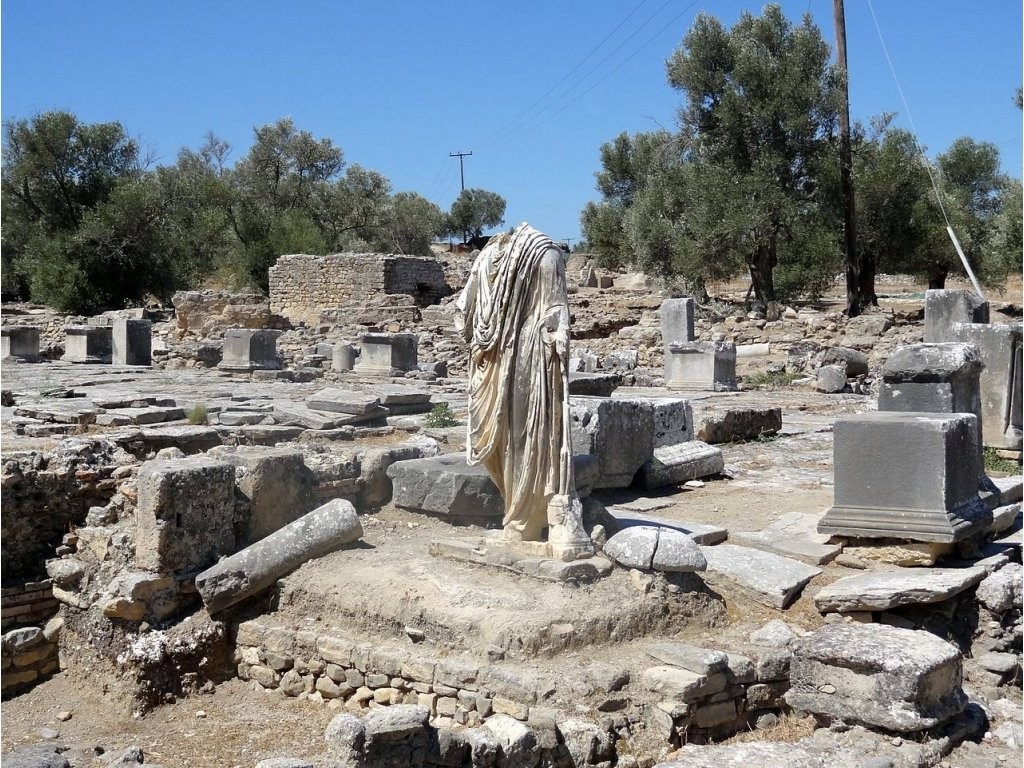
Gortyna, also known as Gortyn, is one of Crete’s most significant archaeological sites, located approximately 25 kilometers from the village of Matala. This ancient city-state offers a fascinating glimpse into the island’s rich historical tapestry, showcasing remnants from the Minoan, Greek, and Roman periods. Gortyna’s impressive ruins, including the famed Law Code of Gortyn and the remnants of ancient temples and theaters, make it a must-visit destination for history enthusiasts and curious travelers alike.
Historical Significance
Gortyna boasts a long and varied history, dating back to the Minoan period around 3000 BCE. It rose to prominence during the Classical and Hellenistic periods and became one of the most powerful city-states in Crete. By the Roman era, Gortyna had become the capital of the Roman province of Creta et Cyrenaica, highlighting its significant influence and strategic importance.
The city is particularly renowned for its role in the early Christian period, with several significant churches and basilicas erected during this time. Gortyna’s extensive history is reflected in its diverse archaeological remains, which provide insights into the various civilizations that once flourished here.
The Law Code of Gortyn
One of the most remarkable discoveries at Gortyna is the Law Code of Gortyn, an extensive set of legal inscriptions carved into a stone wall. Dating back to the 5th century BCE, the Law Code is the oldest and most comprehensive example of ancient Greek law, providing valuable insights into the social and legal practices of the time.
The Code covers a wide range of topics, including family law, property rights, and civil disputes, offering a detailed look at how justice was administered in ancient Crete. The inscriptions are still clearly visible today and are considered one of the most important archaeological finds in Greece.
Key Archaeological Sites
Visitors to Gortyna can explore a variety of impressive ruins that paint a vivid picture of its past glory. Key sites include:
- The Odeon: This well-preserved Roman theater, dating from the 1st century CE, was used for musical performances and public gatherings. It is located near the Law Code of Gortyn and provides a glimpse into the cultural life of the ancient city.
- The Praetorium: The remains of the Roman governor’s residence, showcasing the administrative importance of Gortyna during the Roman period. The site includes remnants of grand halls, courtyards, and other administrative buildings.
- The Temple of Pythian Apollo: This temple, dedicated to the god Apollo, highlights the religious significance of Gortyna. Although in ruins, it offers a fascinating insight into the architectural and spiritual aspects of the ancient city.
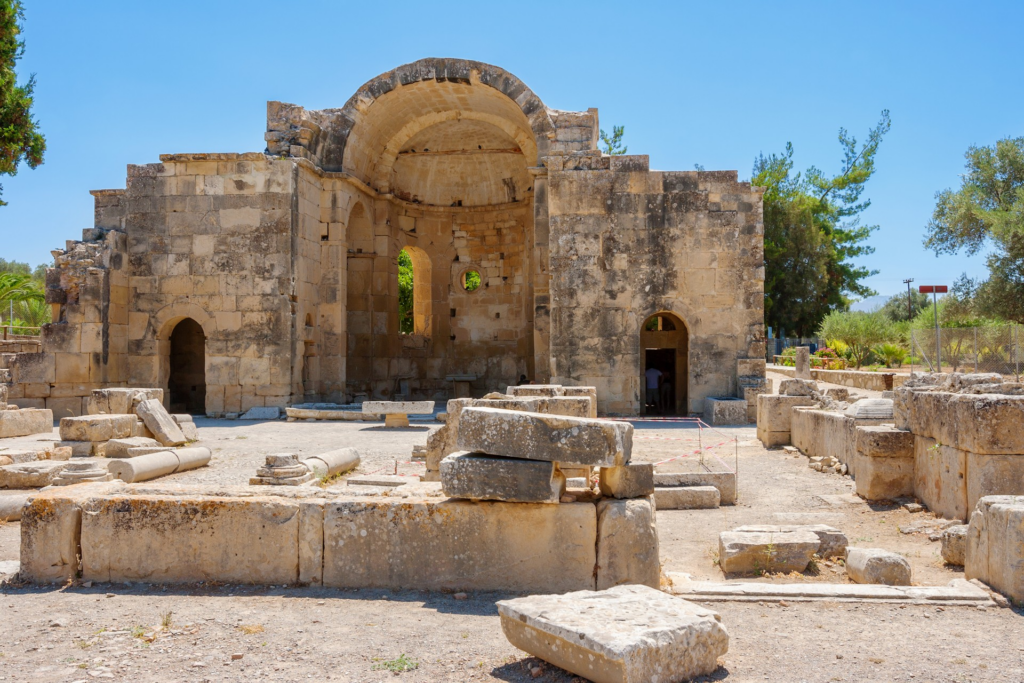
- The Church of St. Titus: Gortyna is also significant in early Christian history, and the Church of St. Titus, dedicated to the first bishop of Crete, reflects this heritage. The remains of the basilica date back to the 6th century CE and are a testament to the spread of Christianity on the island.
- The Plane Tree of Zeus and Europa: According to myth, Zeus, in the form of a bull, brought Europa to Crete and rested under a plane tree in Gortyna. This legendary tree is still revered today, adding a mythical dimension to the site.
Visiting Gortyna
Gortyna is easily accessible from Matala and other parts of southern Crete. The site is open to the public, with a small entrance fee that helps to preserve and maintain the archaeological remains. Informational signs provide context and details about the various ruins, though hiring a guide can offer a more comprehensive understanding of the site’s historical significance.
Visitors should wear comfortable walking shoes and bring water, as the site covers a large area and requires some walking. The best time to visit is during the cooler parts of the day, especially in the summer months when temperatures can be high.
Conclusion
Gortyna is a fascinating destination that offers a deep dive into Crete’s rich historical and cultural heritage. Its extensive ruins, highlighted by the Law Code of Gortyn and significant Roman and Christian sites, provide a unique window into the island’s past. Whether you are wandering through the remains of the Roman Odeon, pondering the ancient laws inscribed in stone, or contemplating the myths of Zeus and Europa, Gortyna promises a captivating and enriching experience. For those exploring southern Crete, a visit to Gortyna is essential, offering a profound connection to the island’s ancient civilizations and enduring legacy.
 Sightseeing
Exploring Phaistos: A Glimpse into Crete’s Minoan Heritage
Exploring Phaistos: A Glimpse into Crete’s Minoan Heritage
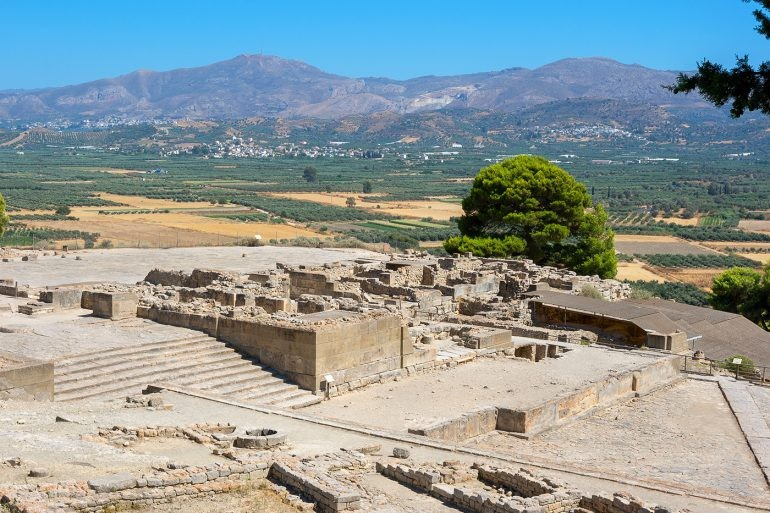
Phaistos, an ancient Minoan city located near the vibrant village of Matala on Crete’s southern coast, is a treasure trove of archaeological wonders and historical significance. Known for its impressive ruins and the famous Phaistos Disc, this site offers a captivating glimpse into one of the most advanced civilizations of the ancient world. Whether you are a history buff or simply curious about Crete’s past, Phaistos provides a fascinating journey through time.
Historical Significance
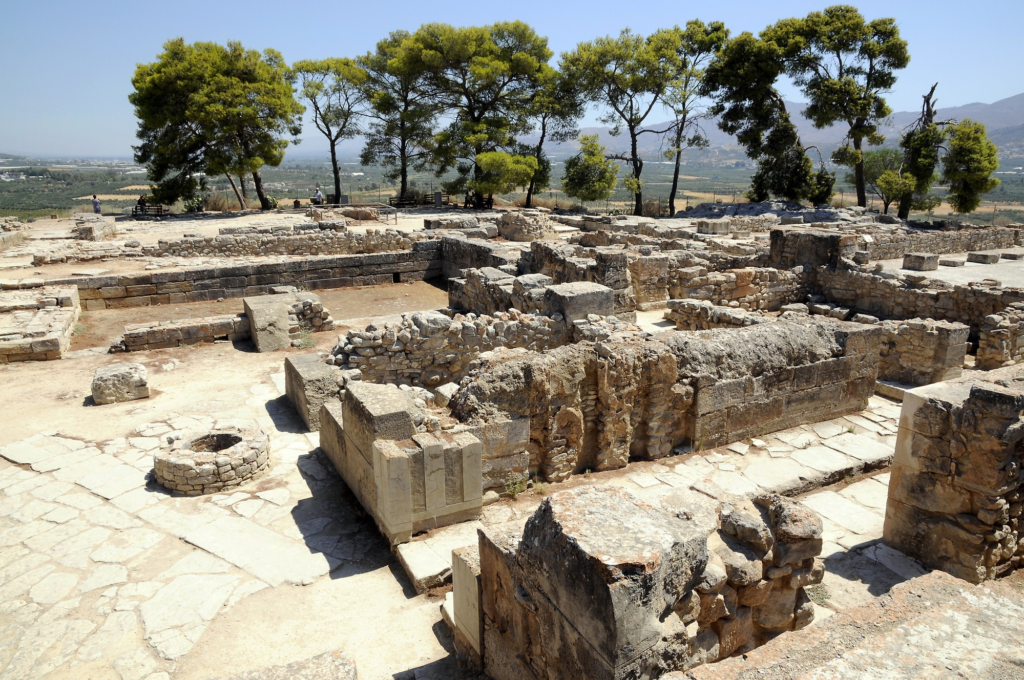
Phaistos was one of the most important centers of the Minoan civilization, which flourished on Crete from approximately 2700 to 1450 BCE. The city was strategically located on a hill overlooking the fertile Mesara Plain, providing it with a commanding view of the surrounding landscape. This advantageous position allowed Phaistos to become a powerful and influential center in the Minoan period.
The palace of Phaistos, the second largest on Crete after Knossos, is the most significant structure on the site. Built around 1900 BCE and later rebuilt after an earthquake, the palace complex is an architectural marvel. It includes grand courtyards, residential quarters, storage rooms, and religious sanctuaries, all arranged around a central court. The design and construction techniques used in the palace reflect the advanced engineering skills and sophisticated culture of the Minoans.
The Phaistos Disc
One of the most intriguing discoveries at Phaistos is the Phaistos Disc, a clay disc inscribed with mysterious symbols. Found in 1908, the disc dates back to the late Minoan period (around 1700 BCE) and remains one of archaeology’s greatest enigmas. The 45 unique symbols, arranged in a spiral pattern on both sides of the disc, have yet to be deciphered, sparking much speculation and debate among scholars. The Phaistos Disc is a testament to the complexity and creativity of the Minoan script and continues to captivate researchers and visitors alike.
Visiting the Archaeological Site
The archaeological site of Phaistos is a must-visit for anyone interested in ancient history. As you wander through the ruins, you can explore the various parts of the palace complex, including the grand staircase, the royal apartments, and the storerooms that once held vast quantities of grain, oil, and wine. Informative signs provide context and details about the significance of each area, helping visitors to imagine what life might have been like in this ancient city.
The site also offers stunning views of the surrounding countryside, including the Mesara Plain and the Asterousia Mountains. This scenic backdrop enhances the experience, allowing visitors to appreciate the natural beauty that the Minoans themselves would have enjoyed.
Practical Information
The site is accessible by car, with ample parking available. There is a small entrance fee, which helps to maintain and preserve this important historical landmark. It is advisable to wear comfortable shoes and bring water, especially during the hot summer months, as the site requires some walking and exploration.
Conclusion
Phaistos is a captivating destination that offers a deep dive into Crete’s rich Minoan heritage. Its well-preserved ruins, the enigmatic Phaistos Disc, and the stunning natural surroundings make it a fascinating and enriching experience for visitors. Whether you are exploring the grand palace complex, pondering the mysteries of the disc, or simply enjoying the panoramic views, Phaistos promises a journey through history that you won’t soon forget. For those staying in or visiting Matala, a trip to Phaistos is an essential part of discovering the island’s ancient past and appreciating the remarkable achievements of the Minoan civilization.