
 Coastline
Discovering Matala: A Hidden Gem on Crete’s Southern Coast
Discovering Matala: A Hidden Gem on Crete’s Southern Coast
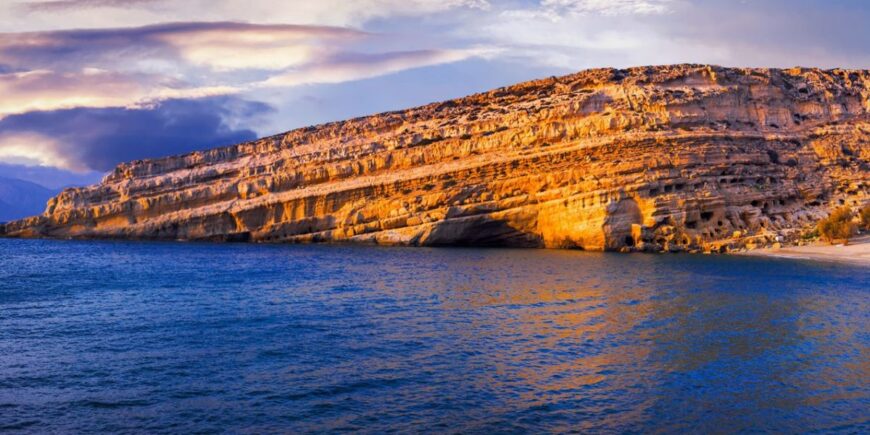
Matala, a picturesque village on the southern coast of Crete, Greece, is a destination that beautifully combines natural beauty, rich history, and a vibrant cultural legacy. Known for its stunning landscapes and the famous Matala caves, this charming village offers a unique experience that attracts travelers from all over the world.
A Journey Through History
Matala’s history is as rich and varied as the landscape itself. The village was originally a Minoan port, with evidence of habitation dating back to antiquity. Its most famous feature, the Matala caves, were carved out of the soft limestone cliffs during the Neolithic Age. These caves later served as Roman tombs, a testament to Matala’s long-standing historical significance.
In the 1960s and 70s, Matala gained international fame as a haven for the global hippie movement. Drawn by the idyllic setting and a spirit of freedom, artists, musicians, and free-spirits from around the world, including iconic figures like Joni Mitchell, flocked to Matala. They made the caves their homes, turning the village into a vibrant community of creativity and peace. This era left an indelible mark on Matala, contributing to its unique and eclectic character that persists to this day.
Natural Beauty
The natural beauty of Matala is undeniable. The village is nestled between the azure waters of the Libyan Sea and the rugged landscape of southern Crete. Matala Beach, with its golden sands and crystal-clear waters, is the perfect place to unwind and soak in the sun. The beach is flanked by the famous caves, which provide a dramatic backdrop and a fascinating glimpse into the past.
The nearby Red Beach, accessible via a short hike, offers a more secluded and equally stunning alternative. Known for its reddish sands and pristine waters, Red Beach is a favorite among those seeking tranquility and natural beauty away from the more frequented spots.
Cultural Vibrancy
Despite its small size, Matala boasts a vibrant cultural scene. The annual Matala Beach Festival is a highlight, celebrating the village’s hippie heritage with music, art, and dance. This festival attracts thousands of visitors who come to enjoy live performances, participate in workshops, and immerse themselves in the bohemian spirit that still thrives in Matala.
Local tavernas and cafes offer a taste of Cretan hospitality and cuisine. Fresh seafood, locally produced olive oil, and traditional dishes like dakos and moussaka are staples on the menu. Dining in Matala is not just about the food; it’s an opportunity to enjoy the relaxed atmosphere and stunning views that make every meal a memorable experience.
Modern Comforts
While Matala retains its rustic charm and historical allure, it also offers modern comforts for visitors. Accommodations range from quaint guesthouses to luxurious villas, ensuring that every traveler can find a place that suits their needs. Many of these establishments blend traditional Cretan architecture with contemporary amenities, providing a comfortable and authentic experience.
A Perfect Balance
Matala strikes a perfect balance between relaxation and adventure. Whether you’re exploring the ancient caves, lounging on the beaches, or hiking through the scenic landscape, there is something for everyone. The village’s rich history, natural beauty, and cultural vibrancy make it a destination that captivates the heart and soul of every visitor.
In Matala, time seems to slow down, allowing you to truly savor each moment. It’s a place where the past and present coexist harmoniously, offering a unique escape from the hustle and bustle of modern life. Whether you’re a history enthusiast, a nature lover, or simply seeking a peaceful retreat, Matala promises an unforgettable experience on the beautiful island of Crete.
 Coastline
Exploring Red Beach: A Secluded Gem
Exploring Red Beach: A Secluded Gem
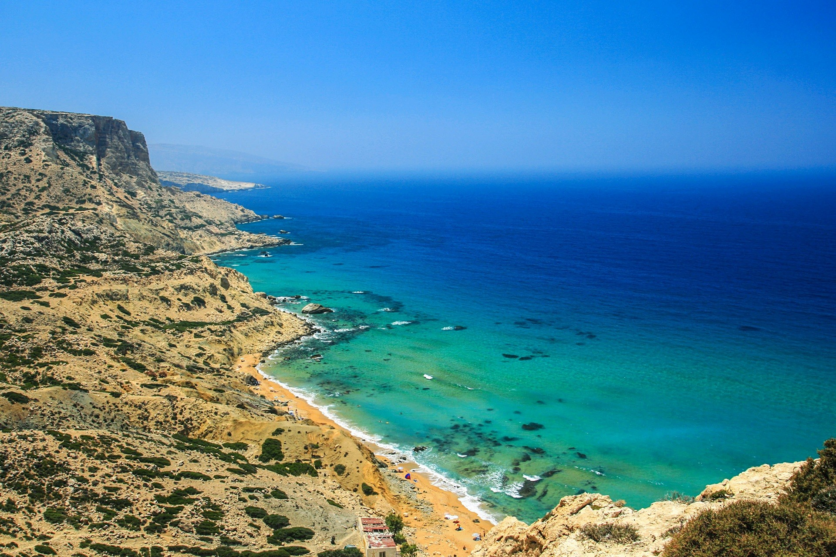
Red Beach, known for its striking reddish-orange sand and tranquil atmosphere, is a hidden gem located just a short hike from the bustling village of Matala on Crete’s southern coast. This secluded beach offers a serene escape from the crowds, making it a perfect destination for those seeking natural beauty and tranquility. With its unique landscape and crystal-clear waters, Red Beach is a must-visit for anyone exploring the area around Matala.
Getting to Red Beach
Reaching Red Beach involves a bit of adventure, as it is accessible only by foot or boat. The most common way to get there is by hiking from Matala. The trail to Red Beach starts at the northern end of Matala Beach, near the famous caves. The hike takes about 20 to 30 minutes and involves a moderate ascent over rocky terrain. The path is well-marked but can be challenging in places, so sturdy footwear is recommended.
The hike is rewarded with stunning views of the coastline and the Libyan Sea. As you make your way along the trail, you will pass through a rugged landscape dotted with wild herbs and flowers, adding to the sense of adventure and discovery. For those preferring a less strenuous journey, hiring a boat from Matala is an alternative option, offering a scenic and relaxing approach to the beach.
The Unique Landscape of Red Beach
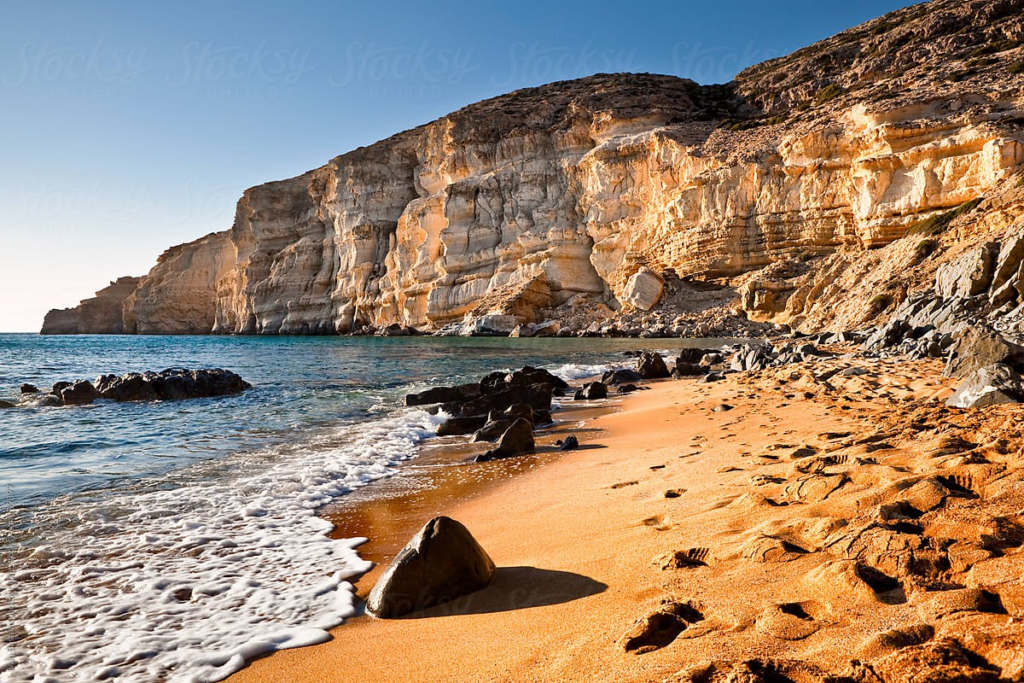
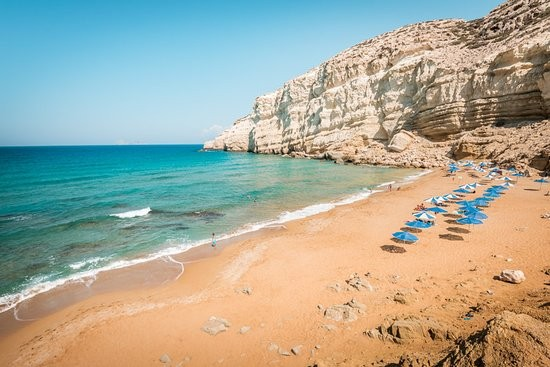
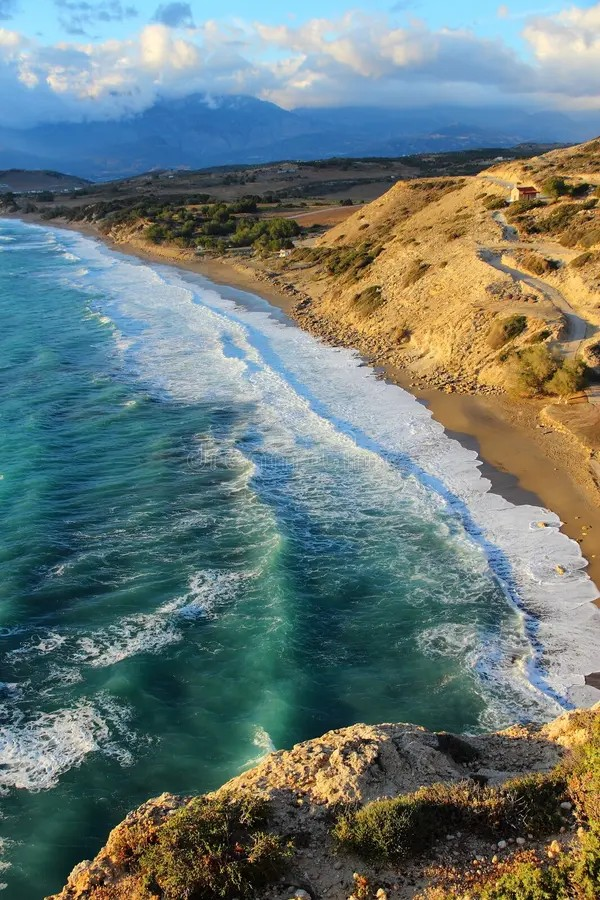
Red Beach, or Kokkini Ammos as it is known in Greek, is named for its distinctive sand, which ranges in color from deep red to orange. This unique hue is the result of the area’s geological composition, giving the beach its striking appearance and making it stand out among Crete’s many beautiful beaches. The vivid sand contrasts beautifully with the turquoise waters of the Libyan Sea, creating a picturesque and inviting setting.
The beach is surrounded by high cliffs, providing a sense of seclusion and privacy. These cliffs not only add to the beach’s dramatic scenery but also help shield it from the wind, ensuring calm and clear waters. The secluded nature of Red Beach makes it an ideal spot for sunbathing, swimming, and snorkeling in a peaceful environment.
A Tranquil Escape
Red Beach is a haven for those seeking tranquility and a break from the more crowded tourist spots. The remote location and relatively difficult access mean that it is usually less crowded than other beaches in the area. This makes it perfect for those looking to relax in a natural setting, away from the hustle and bustle of more popular destinations.
The beach is unofficially nudist-friendly, and many visitors take advantage of the privacy to enjoy sunbathing in a more natural state. Whether you choose to embrace the nudist culture or prefer to keep your swimsuit on, Red Beach offers a welcoming and relaxed atmosphere for all visitors.
Practical Tips for Visitors
While the beauty and serenity of Red Beach are undeniable, it is important to come prepared as there are no facilities on the beach itself. Visitors should bring plenty of water, snacks, and any other essentials they might need for a day at the beach. Sunscreen and hats are also recommended, as the lack of natural shade means the sun can be intense, especially during the summer months.
The hike to the beach can be challenging, particularly in the heat, so it is best to set out early in the morning or later in the afternoon to avoid the midday sun. Proper footwear is essential to navigate the rocky trail safely.
Conclusion
Red Beach is a stunning and secluded destination that offers a unique and tranquil escape for visitors to Matala. Its distinctive reddish sand, clear waters, and serene atmosphere make it a perfect spot for relaxation and natural beauty. Whether you are drawn by the adventure of the hike, the allure of the secluded sands, or the desire to unwind in a peaceful setting, Red Beach promises an unforgettable experience. For those exploring Crete’s southern coast, a visit to Red Beach is a must, providing a memorable contrast to the lively charm of Matala and its famous caves.
 Coastline
Discovering Kommos: An Ancient Port and Serene Beach
Discovering Kommos: An Ancient Port and Serene Beach
Kommos, situated near the vibrant village of Matala on Crete’s southern coast, is a destination rich in history and natural beauty. Known for its archaeological significance and pristine beach, Kommos offers a unique blend of cultural heritage and tranquil seaside charm. Whether you are a history enthusiast or a beach lover, Kommos provides an unforgettable experience that highlights the diverse attractions of Crete.
Historical Significance
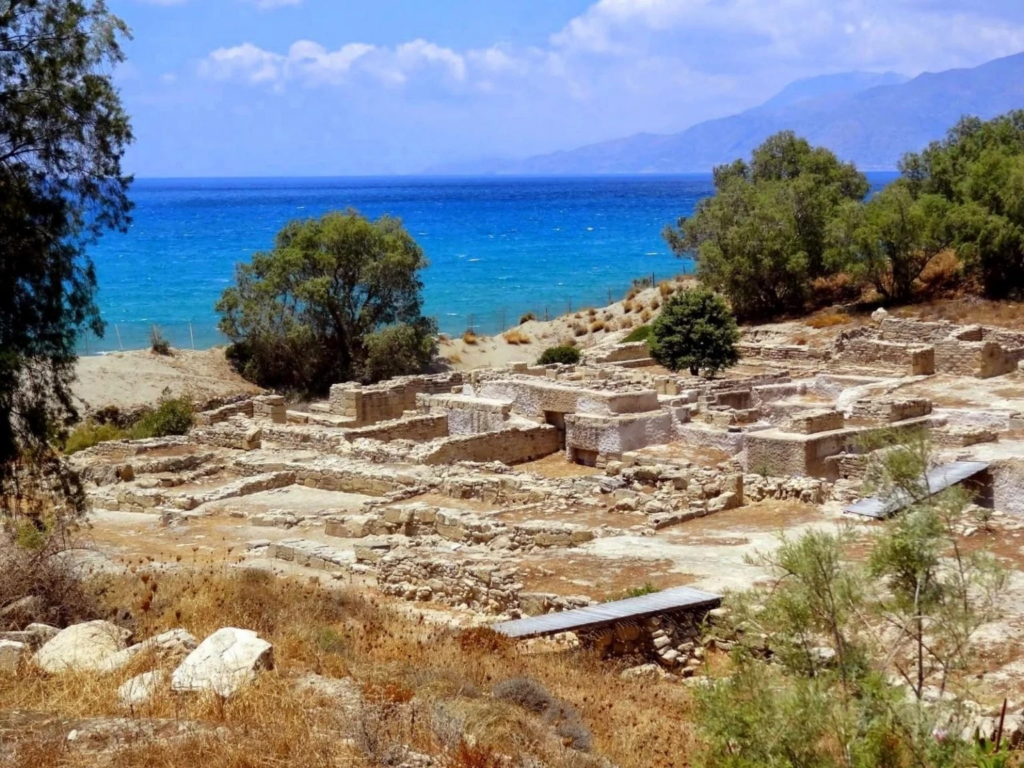
Kommos is renowned for its archaeological site, which was once a bustling port town during the Minoan and later the Classical Greek periods. Excavations at Kommos have uncovered significant artifacts and structures, shedding light on its role as a major trading hub. The ruins include a Minoan settlement, storerooms, and a sanctuary, offering a fascinating glimpse into the ancient civilizations that once thrived here.
The most notable findings are the large storage jars, or pithoi, and the remnants of the ancient buildings that suggest Kommos was an important center for commerce and trade. These discoveries highlight the strategic importance of Kommos in connecting Crete with other Mediterranean cultures. Visitors to the archaeological site can explore the ruins and imagine the bustling activity that once characterized this ancient port.
Natural Beauty
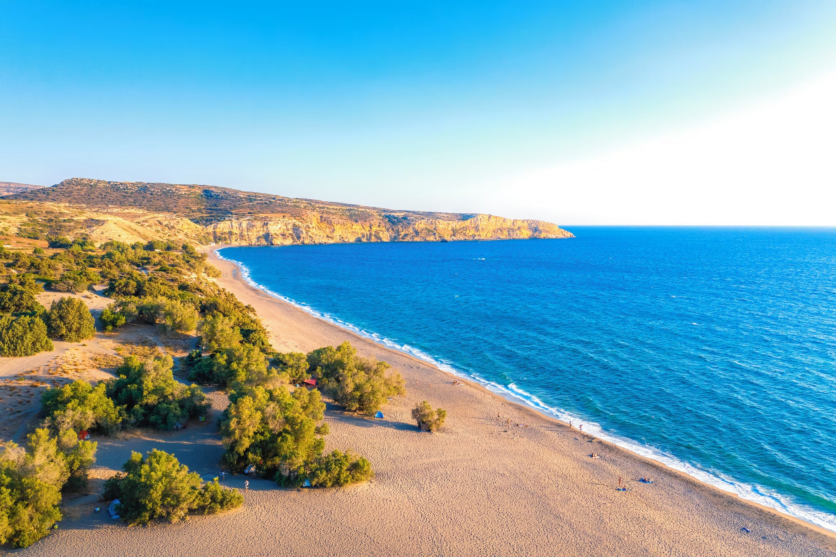
Kommos Beach, adjacent to the archaeological site, is one of the most beautiful and unspoiled beaches on Crete. Stretching along the coast, the beach offers golden sands and crystal-clear waters, providing the perfect setting for relaxation and enjoyment. The beach is divided into two main sections: the northern part, which is quieter and more secluded, and the southern part, closer to Matala, which offers a more lively atmosphere.
The northern section of Kommos Beach is a designated nudist area, offering a tranquil and liberating experience for those seeking a natural and peaceful environment. The beach is also a nesting site for the endangered loggerhead sea turtle (Caretta caretta), adding to its ecological significance. Visitors are encouraged to respect the natural habitat and preserve the pristine condition of the beach.
Scenic Views and Sunsets
Kommos Beach is renowned for its breathtaking views and stunning sunsets. The beach faces west, providing unobstructed vistas of the horizon where the sun dips into the sea, painting the sky with hues of orange, pink, and purple. This makes it a perfect spot for evening strolls, picnics, or simply sitting back and enjoying the natural spectacle.
Combining History and Leisure
A visit to Kommos offers a perfect blend of history and leisure. After exploring the archaeological site and learning about the ancient port town, visitors can unwind on the beautiful beach, swim in the clear waters, or sunbathe on the soft sands. The combination of cultural exploration and relaxation makes Kommos a versatile destination that caters to diverse interests.
Practical Information
Kommos is accessible by car, with parking available near the beach. There are no major facilities on the beach itself, so visitors should come prepared with water, snacks, and any other necessities. The lack of commercial development ensures that Kommos remains a peaceful and unspoiled destination, but it also means that amenities are limited.
Conclusion
Kommos is a hidden treasure on Crete’s southern coast, offering a unique combination of ancient history and natural beauty. Its archaeological site provides a fascinating look into the island’s past, while its serene beach offers a perfect escape for relaxation and enjoyment. Whether you are exploring the ruins of the ancient port or basking in the sun on the golden sands, Kommos promises an enriching and memorable experience. For those visiting Matala, a trip to Kommos is an essential part of discovering the rich heritage and stunning landscapes of this beautiful region of Crete.
 Coastline
Exploring Agiofarago: Crete’s Hidden Paradise
Exploring Agiofarago: Crete’s Hidden Paradise
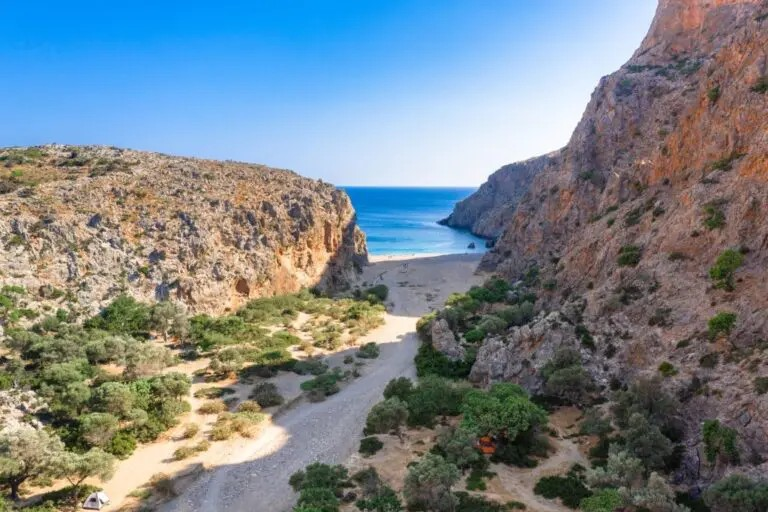
Agiofarago, a stunning gorge located near the vibrant village of Matala on Crete’s southern coast, is a destination that promises adventure, tranquility, and a deep connection with nature. Known for its dramatic landscapes, ancient history, and secluded beach, Agiofarago is a hidden gem that offers a unique escape for those looking to explore the less-trodden paths of Crete.
The Journey to Agiofarago
Getting to Agiofarago is an adventure in itself. The gorge is accessible via a scenic drive followed by a moderate hike. Visitors can start their journey from the nearby village of Kali Limenes or Sivas, driving through rugged terrain and past picturesque olive groves. The final stretch requires a hike through the gorge, which typically takes about 30 to 45 minutes. This hike, while not overly strenuous, is filled with breathtaking views and the promise of discovery around every corner.
Natural Splendor
As you traverse the gorge, you’ll be surrounded by towering cliffs, unique rock formations, and an array of flora and fauna. The gorge is a haven for nature lovers, with its impressive biodiversity and the serene ambiance that pervades the area. During your hike, you might encounter wild goats, rare birds, and vibrant wildflowers, all adding to the sense of being in a pristine, untouched environment.
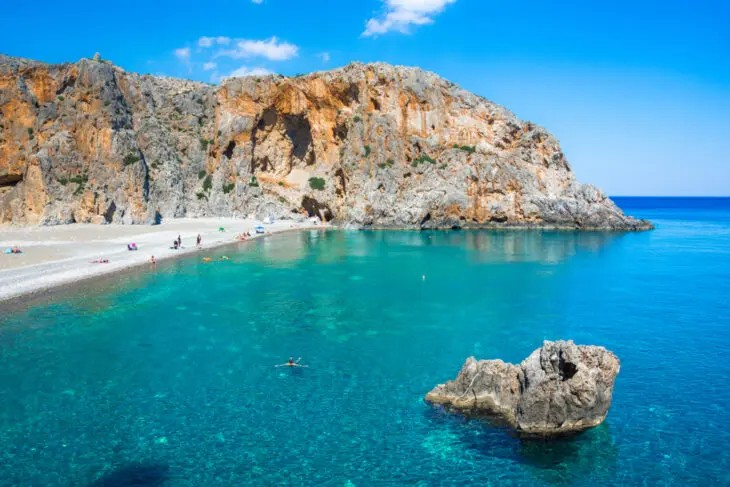
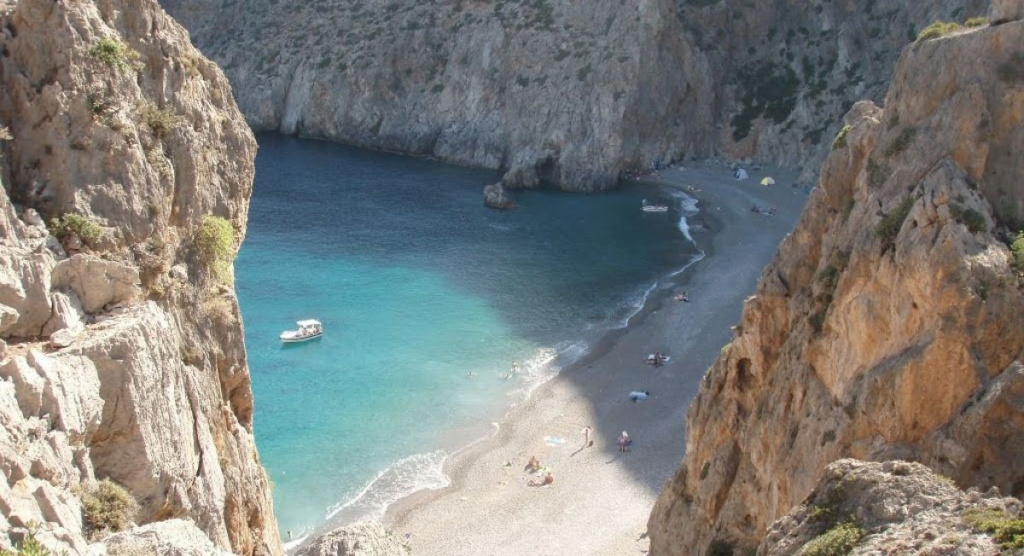
The path through Agiofarago eventually leads to a secluded beach, a reward well worth the effort of the hike. This hidden cove, with its crystal-clear waters and pebbled shore, is one of the most picturesque spots in Crete. The beach is framed by the steep cliffs of the gorge, creating a dramatic and awe-inspiring backdrop. Here, visitors can swim in the turquoise waters, sunbathe on the peaceful shore, and revel in the sense of solitude and tranquility that is hard to find in more popular destinations.
A Sanctuary of Serenity
Agiofarago, which translates to “the gorge of the saints,” has a rich history as a place of solitude and spiritual retreat. The gorge was historically used by hermits and monks seeking isolation and a closer connection to nature and their faith. Along the hike, you can find the small chapel of Agios Antonios, nestled within the rocks. This simple yet charming chapel adds to the spiritual ambiance of the gorge, inviting visitors to pause and reflect in this serene environment.
A Unique Experience
What makes Agiofarago truly special is its unspoiled beauty and the sense of adventure it offers. Unlike the more developed tourist spots, Agiofarago remains largely untouched, providing a raw and authentic experience of Crete’s natural landscape. The lack of commercial facilities means that visitors need to come prepared with water, snacks, and any other necessities, but this also ensures that the natural environment remains pristine and preserved.
Combining Visits with Matala
For those staying in or visiting Matala, a trip to Agiofarago is a perfect complement to the vibrant culture and history of the village. While Matala offers lively beach scenes, historical caves, and a bustling local atmosphere, Agiofarago provides a contrasting experience of peace, natural beauty, and seclusion. Together, they offer a well-rounded exploration of the diverse attractions of southern Crete.
Practical Tips for Visitors
When planning a visit to Agiofarago, it’s important to wear sturdy hiking shoes, bring plenty of water, and protect yourself from the sun with hats and sunscreen. The hike, though moderate, can be challenging in the heat, so early morning or late afternoon visits are recommended during the summer months. Respect for the natural environment is paramount, so visitors should ensure they leave no trace and take all their rubbish with them.
Conclusion
Agiofarago is a hidden paradise that offers a unique blend of adventure, natural beauty, and spiritual tranquility. Its dramatic landscapes, secluded beach, and rich history make it a must-visit for those looking to explore the lesser-known treasures of Crete. Whether you’re seeking a peaceful retreat, an adventurous hike, or simply a beautiful place to relax and connect with nature, Agiofarago provides an unforgettable experience that highlights the diverse wonders of Crete’s southern coast.