 Sightseeing
Exploring the Museum of Cretan Ethnology in Vori: A Cultural Treasure
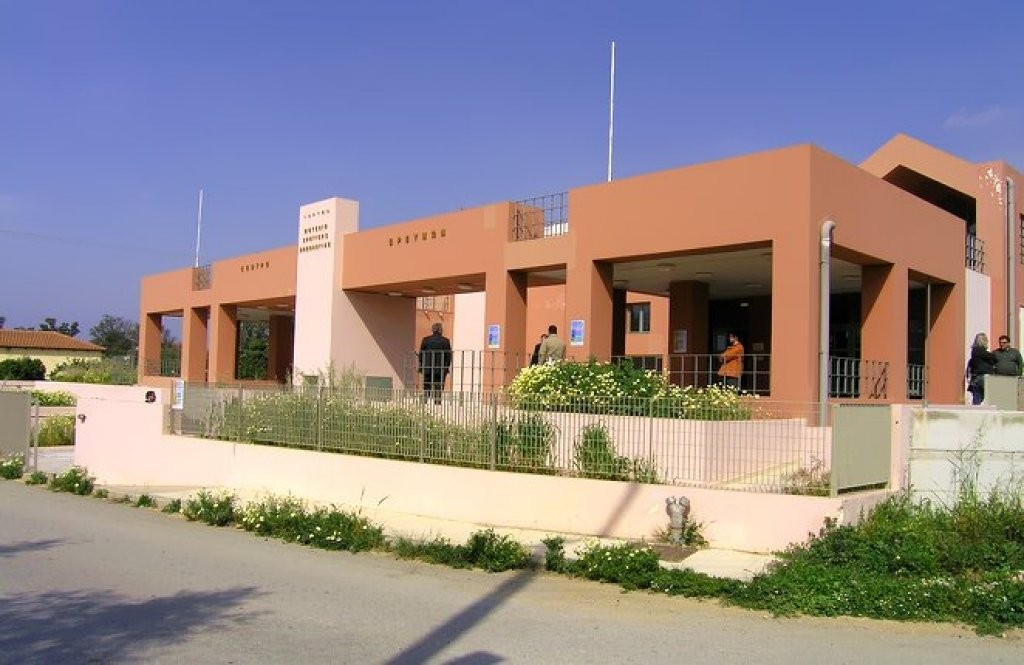
The Museum of Cretan Ethnology, located in the traditional village of Vori near Matala, offers visitors a unique and immersive experience into the rich cultural heritage of Crete. Situated in the heart of the Mesara Plain, this museum provides a comprehensive overview of Cretan life, traditions, and customs from the 19th and 20th centuries. For those interested in understanding the daily lives and practices of the Cretan people, a visit to the Museum of Cretan Ethnology is a must.
The Village of Vori
Vori is a charming village that retains much of its traditional character and architecture. Located approximately 15 kilometers from Matala, Vori provides an idyllic setting for the Museum of Cretan Ethnology. The village itself is worth exploring, with its narrow streets, whitewashed houses, and warm, welcoming atmosphere. Visitors can enjoy a leisurely stroll through Vori, experiencing the local way of life and perhaps stopping at a traditional café or taverna for a taste of authentic Cretan cuisine.
The Museum of Cretan Ethnology
The Museum of Cretan Ethnology was established in 1988 by the Cultural Association of Mesara with the goal of preserving and showcasing the cultural heritage of Crete. The museum is housed in a modern building designed to blend harmoniously with the traditional architecture of Vori. It has won several awards for its contributions to the study and preservation of Cretan culture, including the European Museum of the Year Award in 1992.
Exhibitions and Collections
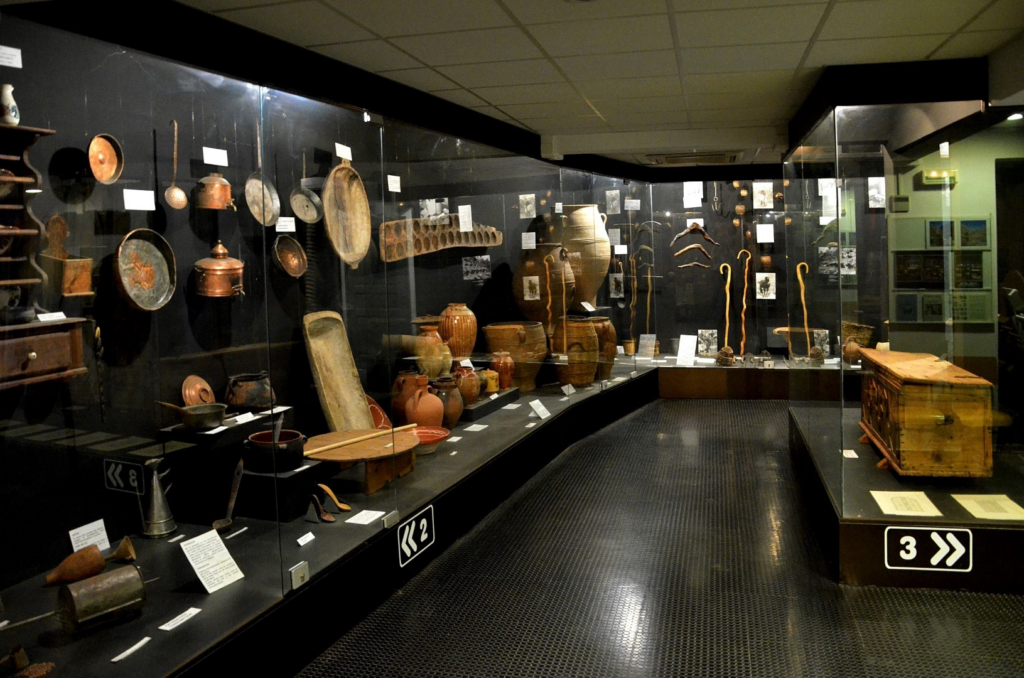
The museum’s extensive collections are organized thematically, providing a detailed and engaging portrayal of various aspects of Cretan life. Key exhibits include:
- Agriculture and Animal Husbandry: This section highlights the traditional farming practices of Crete, showcasing tools, equipment, and techniques used in the cultivation of crops and the raising of livestock. It provides insights into the self-sustaining lifestyle of Cretan farmers and the importance of agriculture to the island’s economy and culture.
- Home and Family Life: Visitors can explore the domestic sphere of Cretan families through displays of household items, furniture, and textiles. The exhibits illustrate the daily routines, crafts, and customs that defined home life in rural Crete.
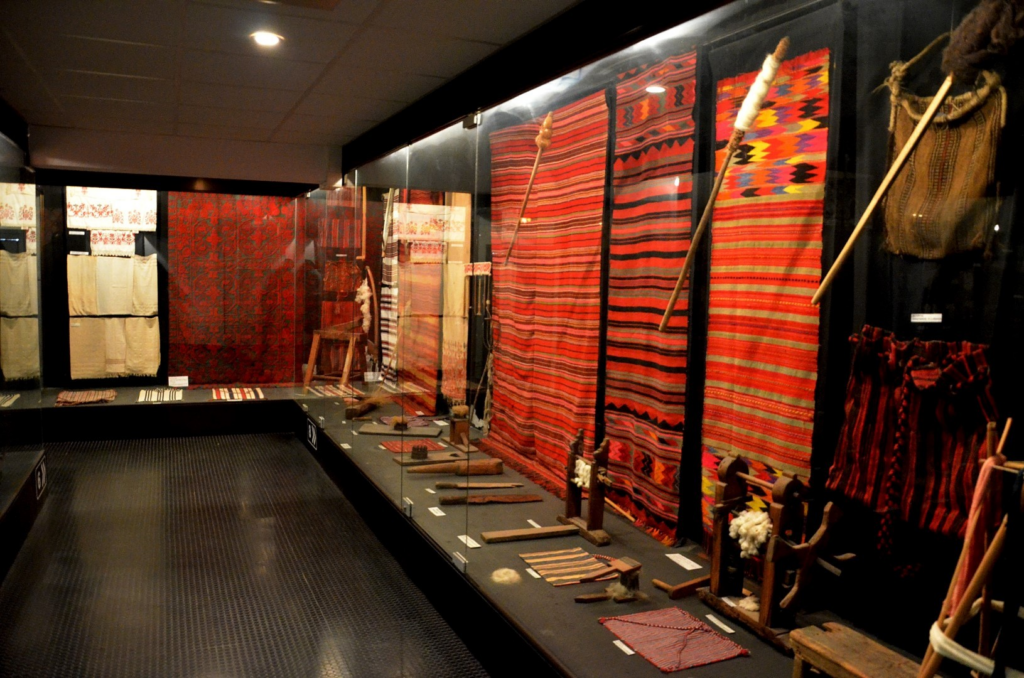
- Handicrafts and Trades: The museum features a wide array of traditional crafts, including weaving, pottery, and woodworking. These exhibits celebrate the skill and creativity of Cretan artisans and highlight the island’s rich tradition of handmade goods.
- Religious and Ceremonial Practices: This section delves into the spiritual and religious aspects of Cretan life, showcasing icons, religious artifacts, and items used in various ceremonies and festivals. It provides an understanding of the deep-rooted religious traditions that have shaped Cretan culture over the centuries.
- Costumes and Textiles: The museum boasts an impressive collection of traditional Cretan costumes and textiles. These exhibits highlight the intricate designs, vibrant colors, and cultural significance of Cretan clothing and textile production.
Educational Programs and Activities
The Museum of Cretan Ethnology also offers a range of educational programs and activities for visitors of all ages. These programs include guided tours, workshops, and interactive exhibits designed to engage visitors and deepen their understanding of Cretan culture. Special events and temporary exhibitions are regularly organized, providing fresh insights and perspectives on various aspects of Cretan heritage.
Visiting the Museum
The Museum of Cretan Ethnology is open to the public year-round, with varying hours depending on the season. Visitors are encouraged to check the museum’s website or contact the museum directly for the latest information on opening times and admission fees. The museum is easily accessible by car from Matala, with ample parking available nearby.
Conclusion
The Museum of Cretan Ethnology in Vori is a cultural treasure that offers a deep and enriching insight into the traditional life of Crete. Its well-curated exhibits and engaging presentations provide a comprehensive understanding of the island’s rich cultural heritage. Whether you are a history enthusiast, a culture lover, or simply curious about Cretan traditions, a visit to this museum is a rewarding and enlightening experience. For those staying in or visiting Matala, the Museum of Cretan Ethnology is an essential stop on your journey through Crete’s vibrant past and enduring legacy.