
 Adventure
Exploring Zaros and Rouvas Gorge: Natural Beauty and Adventure
Exploring Zaros and Rouvas Gorge: Natural Beauty and Adventure
Nestled in the heart of Crete, the village of Zaros and the adjacent Rouvas Gorge offer a perfect blend of natural beauty, adventure, and traditional Cretan charm. Located near Matala, these destinations are ideal for travelers looking to immerse themselves in the island’s stunning landscapes and rich cultural heritage. Zaros, known for its fresh spring waters and lush surroundings, and Rouvas Gorge, a haven for hikers and nature lovers, provide a memorable experience for visitors of all ages.
The Village of Zaros
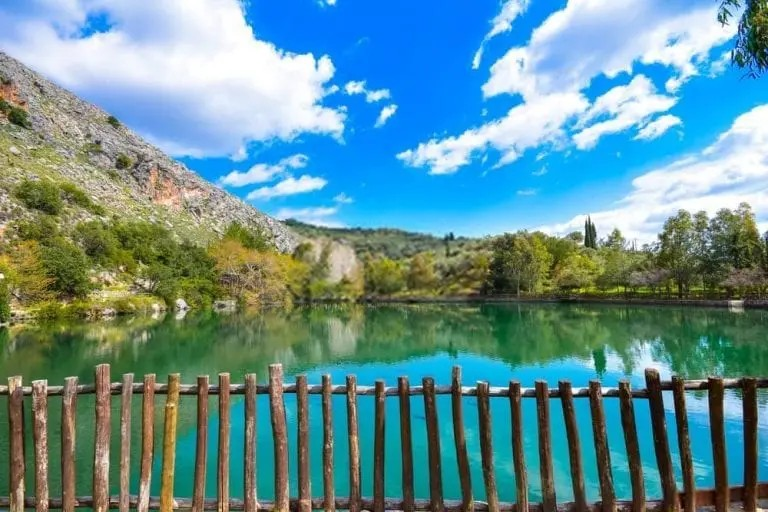
Zaros is a picturesque village situated at the foot of Mount Psiloritis, Crete’s highest peak. The village is famous for its abundant natural springs, which have been a vital source of fresh water since ancient times. The most notable of these is the Votomos spring, which feeds into a beautiful lake that is a popular spot for both locals and tourists.
Highlights of Zaros:
- Votomos Lake: A serene and scenic spot, perfect for picnics, leisurely walks, and feeding the ducks. The lake is surrounded by lush greenery and offers a tranquil escape from the hustle and bustle of everyday life.
- Fresh Spring Water: Zaros is renowned for its bottled spring water, which is distributed throughout Crete and beyond. Visitors can taste the pure, refreshing water directly from the source.
- Traditional Taverns: The village boasts several traditional taverns where visitors can enjoy authentic Cretan cuisine, often featuring locally sourced ingredients such as trout from the nearby fish farms.
- Monasteries: Nearby, the historic Monastery of Vrontisi and the Monastery of Agios Nikolaos offer cultural and spiritual enrichment, with beautiful frescoes and a sense of tranquility.
Rouvas Gorge
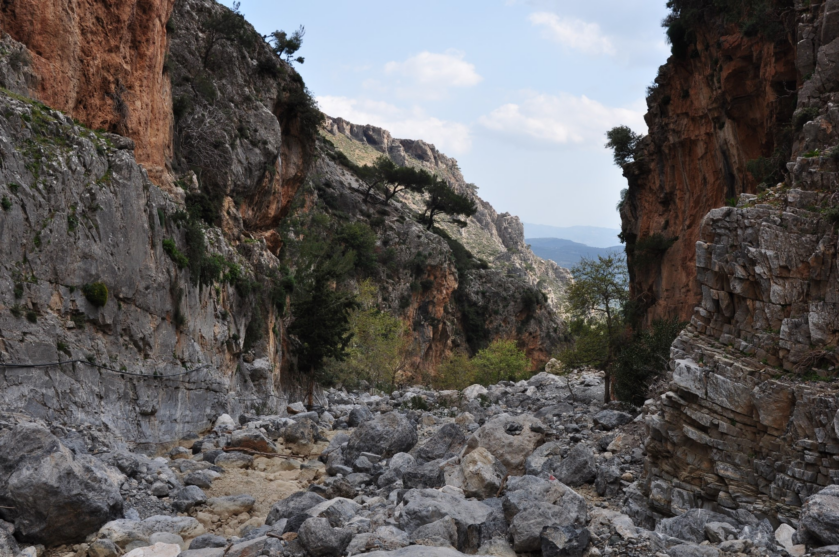
Rouvas Gorge, located just a short distance from Zaros, is one of Crete’s most spectacular natural attractions. The gorge is part of the larger Psiloritis Natural Park and offers a breathtaking landscape of rugged cliffs, dense forests, and diverse flora and fauna. It is a popular destination for hiking, with trails that cater to various levels of difficulty.
Hiking in Rouvas Gorge:
- The Trail: The main hiking trail through Rouvas Gorge starts at the Zaros lake and follows the river through a lush forest of oaks, cypresses, and pine trees. The hike is moderately challenging and takes about 3-4 hours to complete one way.
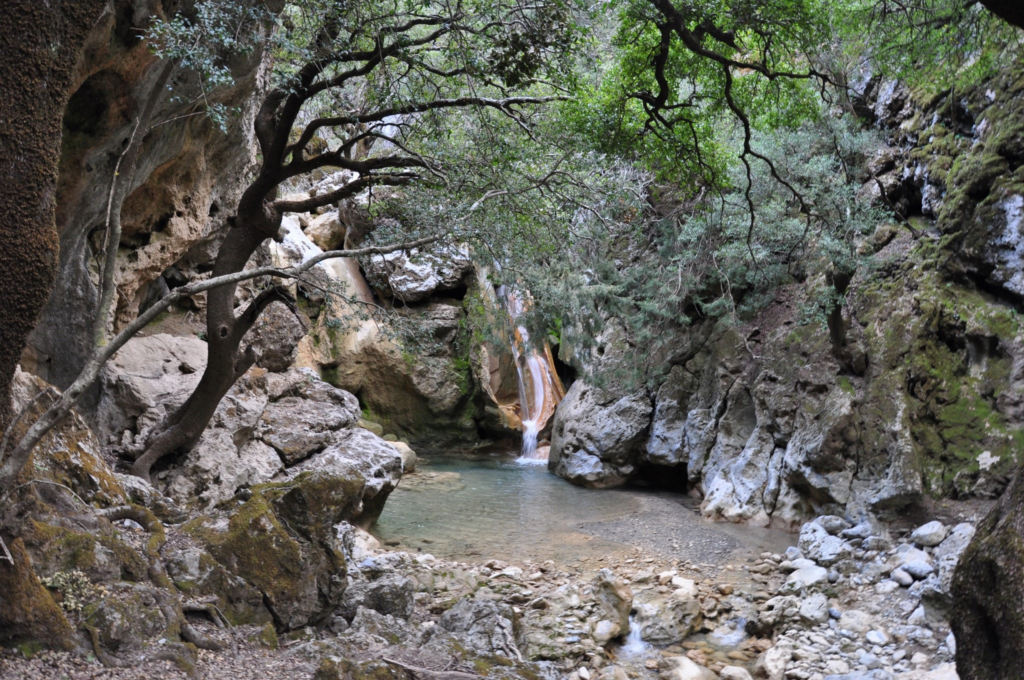
- Natural Beauty: Along the trail, hikers can enjoy the serene beauty of the landscape, including the crystal-clear waters of the river, impressive rock formations, and occasional waterfalls. The gorge is particularly beautiful in the spring when wildflowers are in bloom.
- Flora and Fauna: Rouvas Gorge is home to a rich variety of plant and animal species, some of which are endemic to Crete. Hikers might spot birds of prey, such as eagles and vultures, as well as other wildlife like foxes and hares.
- Rouvas Forest: At the end of the gorge, the trail opens up into the Rouvas Forest, a protected area with ancient oak trees and a serene picnic spot. It’s an excellent place to rest and take in the natural surroundings before heading back.
Activities and Attractions
Beyond hiking, Zaros and Rouvas Gorge offer various other activities and attractions for visitors:
- Bird Watching: The diverse habitats in the area make it an excellent spot for bird watching. Enthusiasts can observe a variety of bird species in their natural environment.
- Fishing: The trout farms near Votomos Lake provide opportunities for fishing. Some local taverns will even cook your catch for you.
- Local Festivals: Zaros hosts several local festivals throughout the year, celebrating everything from religious holidays to agricultural traditions. These festivals are a great way to experience Cretan culture and hospitality.
Visiting Zaros and Rouvas Gorge
Zaros and Rouvas Gorge are easily accessible from Matala and other parts of Crete. The drive to Zaros offers scenic views of the Cretan countryside, making the journey as enjoyable as the destination. It is advisable to check weather conditions before planning a hike, especially in the gorge, as the trails can be affected by rain.
Conclusion
Zaros and Rouvas Gorge present a captivating combination of natural beauty, outdoor adventure, and traditional Cretan culture. Whether you’re hiking through the stunning landscapes of the gorge, enjoying the fresh spring water of Zaros, or savoring local cuisine in a charming tavern, this area offers a rich and rewarding experience for all visitors. For those staying in or near Matala, a trip to Zaros and Rouvas Gorge is a must, providing a perfect escape into the heart of Crete’s natural and cultural heritage.
 Experience
Discovering the Zacharioudakis Winery: A Premier Wine Experience
Discovering the Zacharioudakis Winery: A Premier Wine Experience
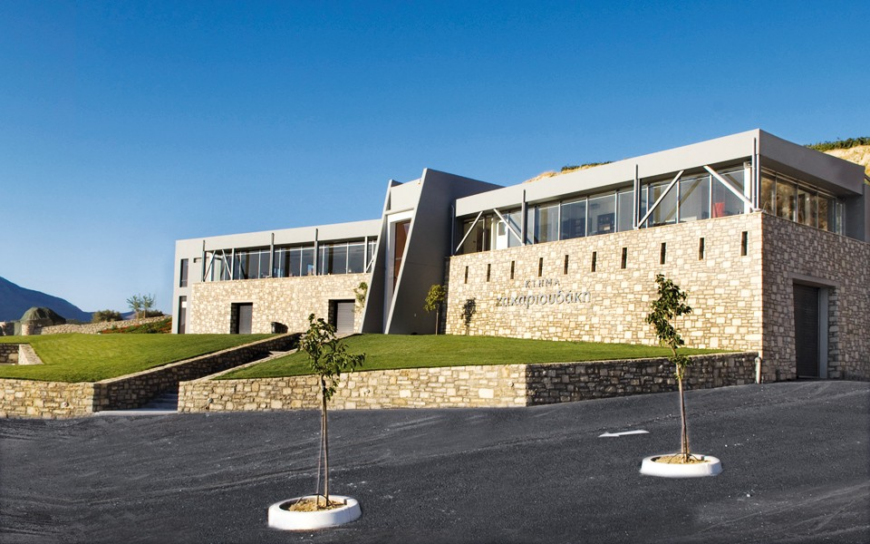
Located in the heart of Crete, the Zacharioudakis Winery is a renowned establishment that offers a rich experience for wine enthusiasts and visitors seeking to explore the flavors and heritage of Cretan winemaking. Situated near the scenic village of Plouti, not far from Matala, this winery is celebrated for its high-quality wines, stunning vineyard views, and warm hospitality.
The Charm of Zacharioudakis Winery
Nestled on the slopes of the fertile region of Plouti, Zacharioudakis Winery is surrounded by rolling vineyards and olive groves, creating an idyllic setting. The location offers breathtaking panoramic views of the Cretan landscape, making it a perfect spot for a relaxing and educational wine-tasting experience.
A Legacy of Winemaking
Zacharioudakis Winery was founded with a passion for reviving and promoting the ancient winemaking traditions of Crete. The winery combines traditional methods with modern technology to produce exceptional wines that reflect the unique terroir of the region. The dedication to quality and sustainability is evident in every bottle produced by the winery.
The Vineyards and Grapes
The vineyards of Zacharioudakis Winery are planted with a variety of indigenous and international grape cultivars, each carefully selected to thrive in the Cretan climate. Some of the notable grape varieties grown here include:
- Vidiano: An indigenous white grape variety known for its aromatic complexity and fresh acidity, producing wines with flavors of peach, apricot, and citrus.
- Kotsifali: A native red grape that produces wines with rich fruit flavors and a spicy character, often used in blends.
- Mandilari: Another indigenous red grape known for its deep color and robust tannins, contributing to the structure and aging potential of the wines.
- Syrah and Cabernet Sauvignon: These international varieties are also cultivated, adding to the diversity and depth of the winery’s portfolio.
Wine Tasting and Tours
Zacharioudakis Winery offers a range of wine-tasting experiences that cater to both novices and connoisseurs. Visitors can enjoy guided tours of the vineyards and the winery, where they will learn about the grape-growing process, winemaking techniques, and the history of the winery. The tours often include a visit to the state-of-the-art cellar, where the wines are aged to perfection.
During the tasting sessions, guests have the opportunity to sample a selection of the winery’s best offerings, from crisp whites to robust reds and aromatic rosés. The tastings are typically accompanied by local delicacies, such as Cretan cheese, olives, and freshly baked bread, enhancing the overall experience and providing a taste of the island’s culinary delights.
Events and Activities
Zacharioudakis Winery frequently hosts special events and activities, making it a vibrant hub of local culture and community. Seasonal events such as grape harvesting and wine festivals allow visitors to participate in traditional winemaking activities and celebrate the harvest. The winery also offers workshops and classes on wine appreciation, pairing, and tasting, providing a comprehensive learning experience for wine lovers.
Visiting Zacharioudakis Winery
Zacharioudakis Winery is easily accessible from Matala and other nearby towns. The winery welcomes visitors year-round, but it is advisable to check ahead for opening hours and to book tours or tastings in advance, especially during the busy tourist season. The scenic drive to the winery offers stunning views of the Cretan countryside, adding to the overall charm of the visit.
Conclusion
Zacharioudakis Winery is a delightful destination for those exploring the southern coast of Crete. Its exceptional wines, beautiful setting, and warm hospitality make it a standout experience for visitors. Whether you are a wine enthusiast eager to explore the flavors of Crete or a traveler looking to enjoy the serene beauty of the Cretan countryside, Zacharioudakis Winery offers an enriching and memorable visit. For anyone staying in or visiting Matala, a trip to this charming winery is a must, providing a taste of the island’s rich viticultural tradition and a glimpse into its timeless allure.
 Sightseeing
Exploring the Museum of Cretan Ethnology in Vori: A Cultural Treasure
Exploring the Museum of Cretan Ethnology in Vori: A Cultural Treasure
The Museum of Cretan Ethnology, located in the traditional village of Vori near Matala, offers visitors a unique and immersive experience into the rich cultural heritage of Crete. Situated in the heart of the Mesara Plain, this museum provides a comprehensive overview of Cretan life, traditions, and customs from the 19th and 20th centuries. For those interested in understanding the daily lives and practices of the Cretan people, a visit to the Museum of Cretan Ethnology is a must.
The Village of Vori
Vori is a charming village that retains much of its traditional character and architecture. Located approximately 15 kilometers from Matala, Vori provides an idyllic setting for the Museum of Cretan Ethnology. The village itself is worth exploring, with its narrow streets, whitewashed houses, and warm, welcoming atmosphere. Visitors can enjoy a leisurely stroll through Vori, experiencing the local way of life and perhaps stopping at a traditional café or taverna for a taste of authentic Cretan cuisine.
The Museum of Cretan Ethnology
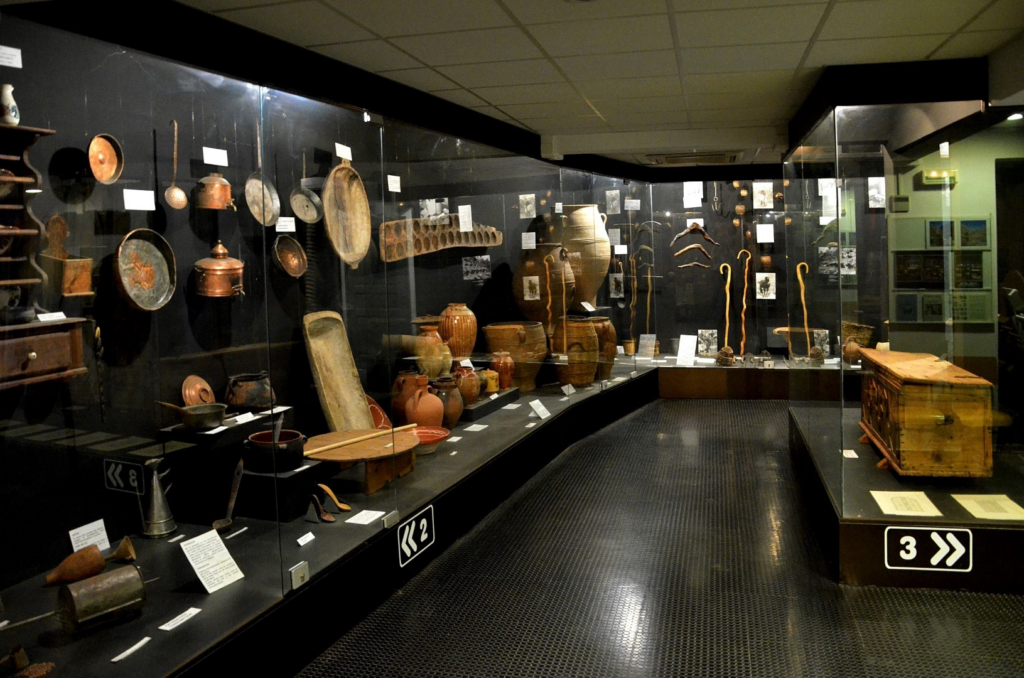
The Museum of Cretan Ethnology was established in 1988 by the Cultural Association of Mesara with the goal of preserving and showcasing the cultural heritage of Crete. The museum is housed in a modern building designed to blend harmoniously with the traditional architecture of Vori. It has won several awards for its contributions to the study and preservation of Cretan culture, including the European Museum of the Year Award in 1992.
Exhibitions and Collections
The museum’s extensive collections are organized thematically, providing a detailed and engaging portrayal of various aspects of Cretan life. Key exhibits include:
- Agriculture and Animal Husbandry: This section highlights the traditional farming practices of Crete, showcasing tools, equipment, and techniques used in the cultivation of crops and the raising of livestock. It provides insights into the self-sustaining lifestyle of Cretan farmers and the importance of agriculture to the island’s economy and culture.
- Home and Family Life: Visitors can explore the domestic sphere of Cretan families through displays of household items, furniture, and textiles. The exhibits illustrate the daily routines, crafts, and customs that defined home life in rural Crete.
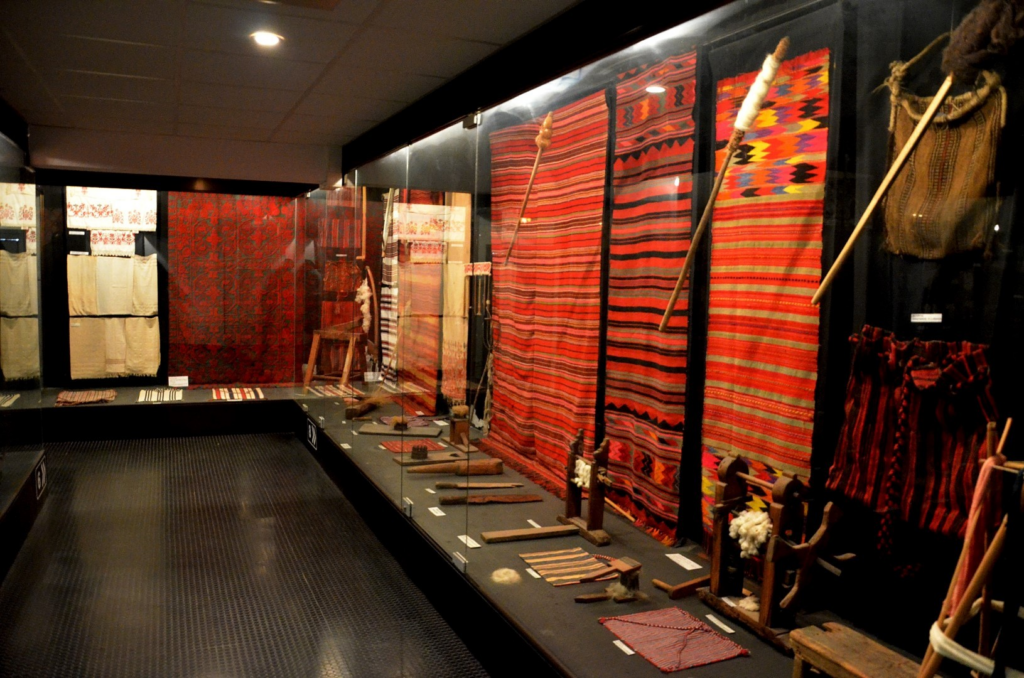
- Handicrafts and Trades: The museum features a wide array of traditional crafts, including weaving, pottery, and woodworking. These exhibits celebrate the skill and creativity of Cretan artisans and highlight the island’s rich tradition of handmade goods.
- Religious and Ceremonial Practices: This section delves into the spiritual and religious aspects of Cretan life, showcasing icons, religious artifacts, and items used in various ceremonies and festivals. It provides an understanding of the deep-rooted religious traditions that have shaped Cretan culture over the centuries.
- Costumes and Textiles: The museum boasts an impressive collection of traditional Cretan costumes and textiles. These exhibits highlight the intricate designs, vibrant colors, and cultural significance of Cretan clothing and textile production.
Educational Programs and Activities
The Museum of Cretan Ethnology also offers a range of educational programs and activities for visitors of all ages. These programs include guided tours, workshops, and interactive exhibits designed to engage visitors and deepen their understanding of Cretan culture. Special events and temporary exhibitions are regularly organized, providing fresh insights and perspectives on various aspects of Cretan heritage.
Visiting the Museum
The Museum of Cretan Ethnology is open to the public year-round, with varying hours depending on the season. Visitors are encouraged to check the museum’s website or contact the museum directly for the latest information on opening times and admission fees. The museum is easily accessible by car from Matala, with ample parking available nearby.
Conclusion
The Museum of Cretan Ethnology in Vori is a cultural treasure that offers a deep and enriching insight into the traditional life of Crete. Its well-curated exhibits and engaging presentations provide a comprehensive understanding of the island’s rich cultural heritage. Whether you are a history enthusiast, a culture lover, or simply curious about Cretan traditions, a visit to this museum is a rewarding and enlightening experience. For those staying in or visiting Matala, the Museum of Cretan Ethnology is an essential stop on your journey through Crete’s vibrant past and enduring legacy.
 Sightseeing
Discovering Knossos: The Majestic Minoan Palace
Discovering Knossos: The Majestic Minoan Palace
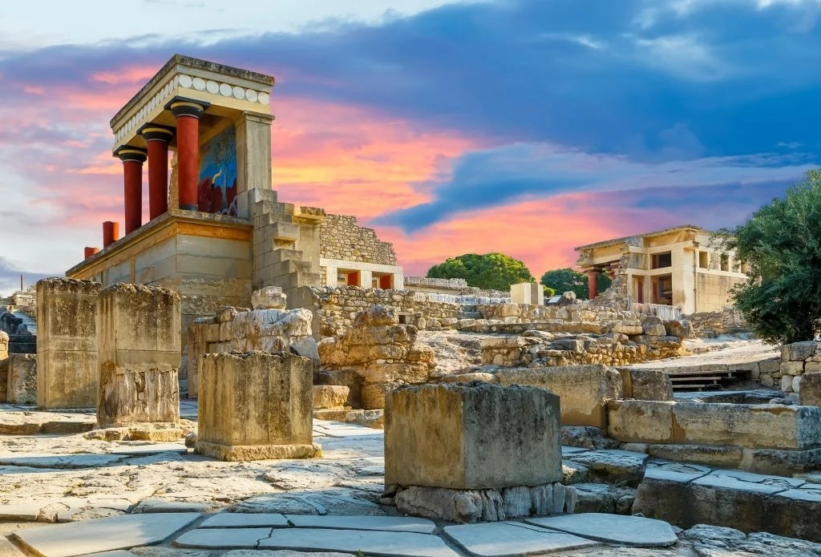
Knossos, located near Heraklion on the island of Crete, is one of the most significant archaeological sites in Greece and a must-visit for anyone interested in ancient history. As the largest Bronze Age archaeological site on Crete and considered Europe’s oldest city, Knossos offers an unparalleled glimpse into the advanced Minoan civilization. Known for its impressive palace complex, intricate frescoes, and rich mythology, Knossos stands as a testament to the ingenuity and sophistication of the ancient Minoans.
Historical Significance
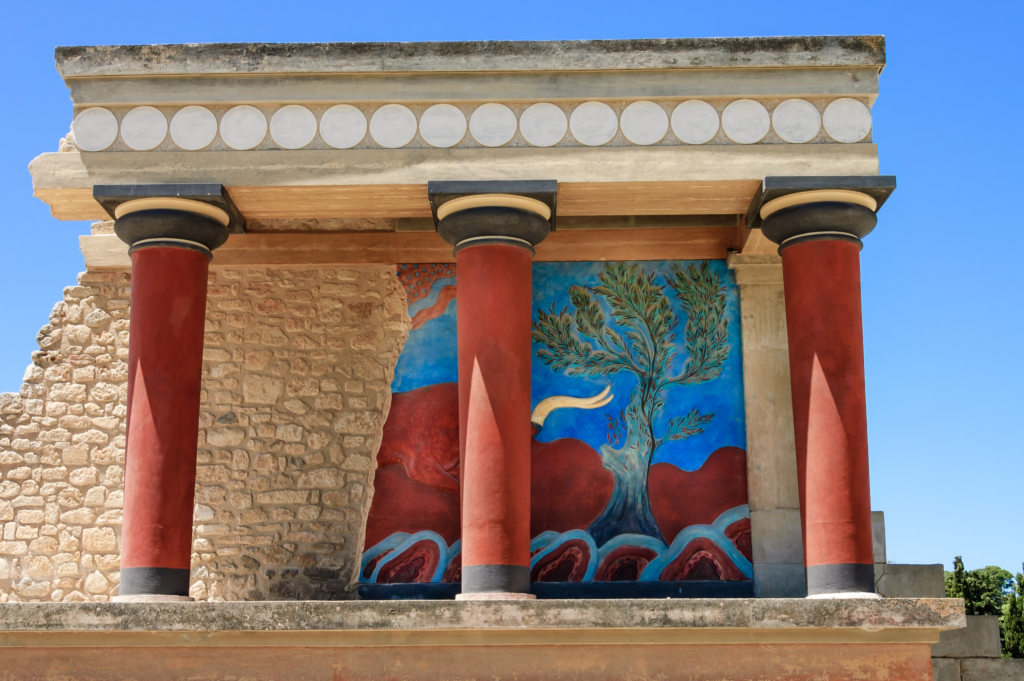
Knossos is the legendary site of the ancient Minoan civilization, which thrived from approximately 2000 to 1400 BCE. The site is most famous for its grand palace, which served as the political, ceremonial, and economic center of Minoan life. The palace complex is believed to have housed the mythical King Minos and is famously associated with the legend of the Minotaur and the labyrinth. According to myth, the labyrinth was an elaborate maze designed by the architect Daedalus to contain the Minotaur, a creature with the body of a man and the head of a bull.
The palace at Knossos, covering around 20,000 square meters, was a multi-storied structure featuring advanced architectural techniques. It included elaborate residential quarters, ceremonial halls, storage rooms, workshops, and courtyards, all connected by a complex network of corridors. The design and construction of the palace demonstrate the Minoans’ advanced understanding of engineering and urban planning.
The Palace Complex
The palace complex at Knossos is a labyrinthine arrangement of rooms and spaces that reflect the complexity and sophistication of Minoan society. Key areas of interest within the palace include:
- The Throne Room: This room features a gypsum throne and benches, thought to have been used for ceremonial purposes. The room is adorned with frescoes depicting griffins, mythical creatures associated with the Minoan royalty.
- The Central Court: The heart of the palace, the Central Court was likely used for public gatherings, religious ceremonies, and administrative functions. Its open space and strategic location allowed for the accommodation of large groups.
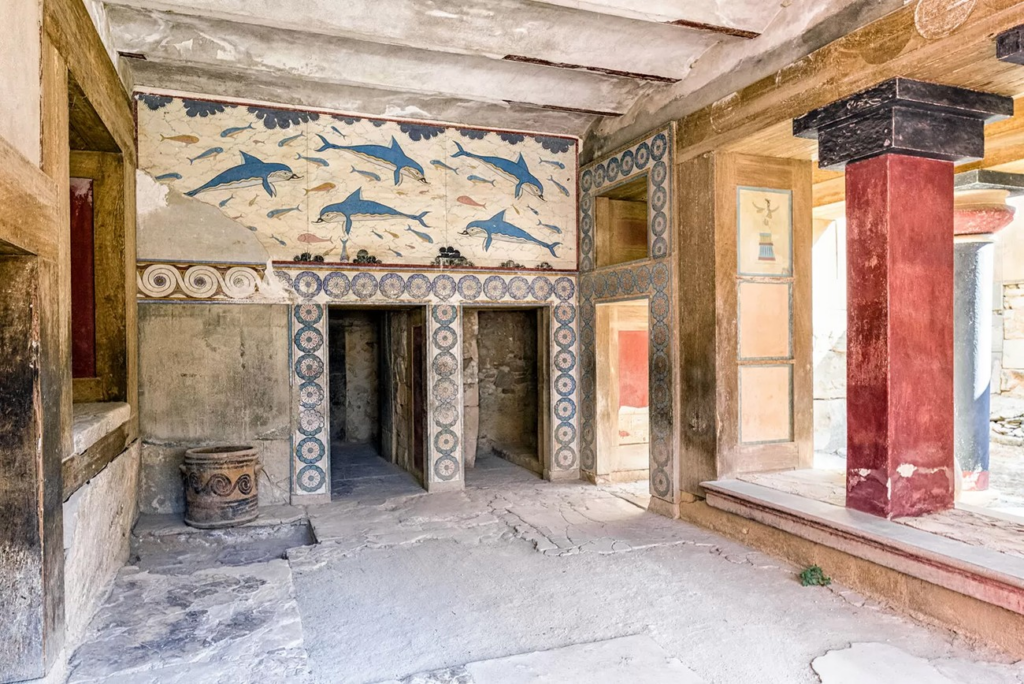
- The Queen’s Megaron: Known for its beautiful frescoes, including the famous “Dolphin Fresco,” this area was likely the private quarters of a high-ranking female figure, possibly the queen.
- The Grand Staircase: An architectural marvel, the Grand Staircase connected the various levels of the palace and showcased the Minoans’ advanced building techniques.
The Frescoes
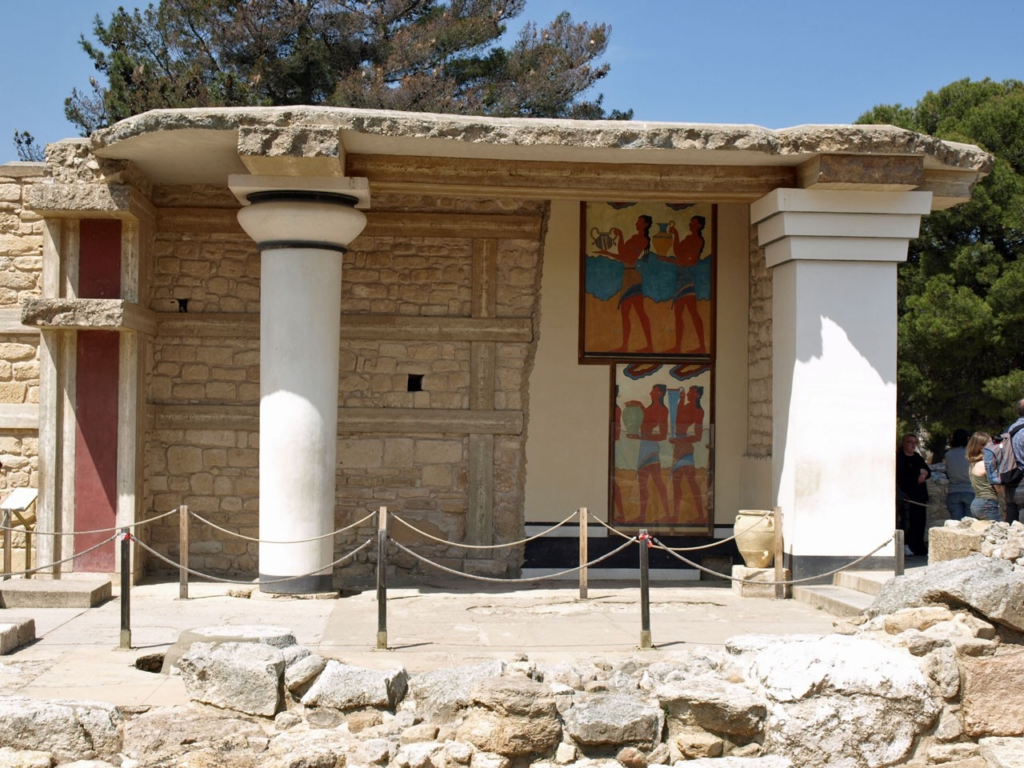
Knossos is renowned for its vibrant frescoes, which provide valuable insights into Minoan culture, religion, and daily life. These wall paintings depict a variety of scenes, including religious rituals, processions, and nature. The most famous frescoes include the “Bull-Leaping Fresco,” which illustrates a ritual sport involving acrobatic feats with bulls, and the “Prince of the Lilies,” believed to represent a priest or king adorned with a crown of lilies.
Archaeological Discoveries
The archaeological significance of Knossos was first brought to light by British archaeologist Sir Arthur Evans, who began excavations in the early 20th century. Evans’ work uncovered the extensive remains of the palace and many artifacts, providing crucial insights into Minoan civilization. His reconstructions of parts of the palace, though sometimes controversial, have helped visitors visualize the grandeur of the ancient site.
Visiting Knossos
Knossos is located just a few kilometers south of Heraklion, making it easily accessible for visitors. The site is open to the public, with guided tours available to provide detailed information about its history and significance. The nearby Heraklion Archaeological Museum houses many of the artifacts discovered at Knossos, including pottery, jewelry, and the famous Phaistos Disc, offering a comprehensive view of Minoan culture.
Practical Information
Visitors to Knossos should wear comfortable walking shoes and bring water, especially during the hot summer months, as the site requires extensive exploration. There is an entrance fee, with discounts available for students and seniors. The site is equipped with explanatory signs and diagrams, but a guided tour can enhance the experience by providing deeper insights into the history and archaeology of Knossos.
Conclusion
Knossos is a captivating destination that brings the ancient Minoan civilization to life. Its grand palace, intricate frescoes, and rich mythology offer a fascinating journey into the past, showcasing the advanced culture and achievements of the Minoans. Whether you are exploring the labyrinthine corridors of the palace, admiring the detailed frescoes, or learning about the site’s storied history, Knossos promises an enriching and unforgettable experience. For anyone visiting Heraklion, a trip to Knossos is an essential part of discovering the rich heritage and enduring legacy of Crete’s ancient inhabitants.